Dead Homeland
Dead Homeland is a visual investigation reflecting on how beauty and militarism shaped the Venezuelan national imagination throughout the 20th century, marked by binary violence and an ideal of “national genetics.” This binary – between the beautiful and the strong, the feminine and the masculine – has acted as corrective violence over bodies, erasing or punishing anything that escapes the heteronormative dictatorship. Through the review and intervention of archives and visual memories, the project reveals how diversity was excluded from history, offering a queer rereading of memory as resistance to the ongoing persecution of LGBTQIA+ identities in Venezuela.
Collage featuring the face of Irene Sáez, miss, icon, and later political figure. “In the Venezuelan context, the armed forces have been deployed to discipline, order, and defend a national legacy. In parallel, beauty and its army of women have long-established a system of symbolic and cultural control over the country.” – Andrés Pérez
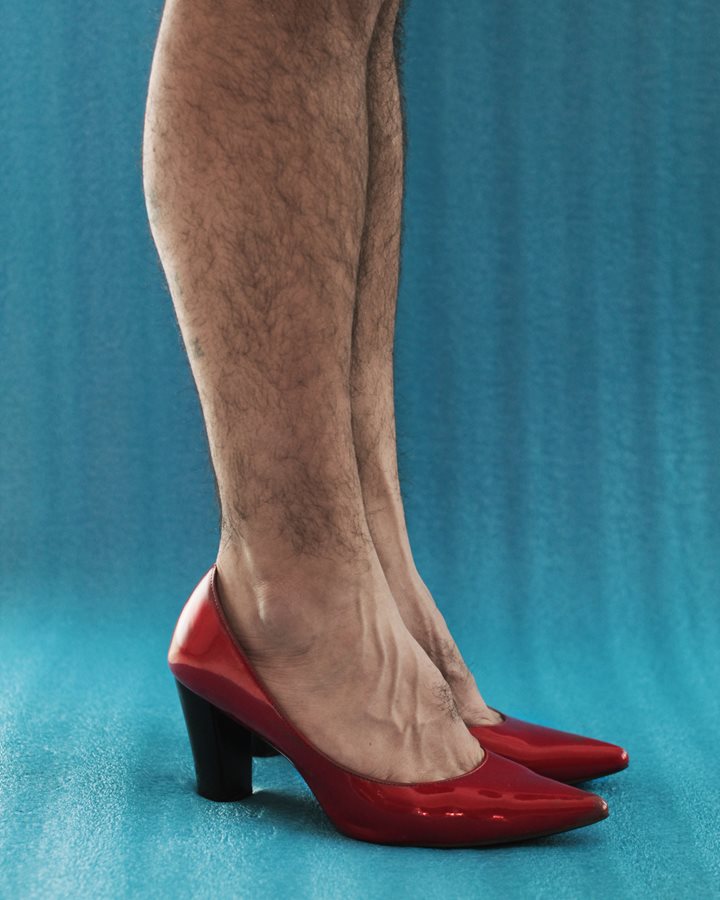
Self-portrait. “The performative overlap between military parades and beauty pageants allows me to reappropriate their codes of display and resignify them in my queer body.” – Andrés Pérez
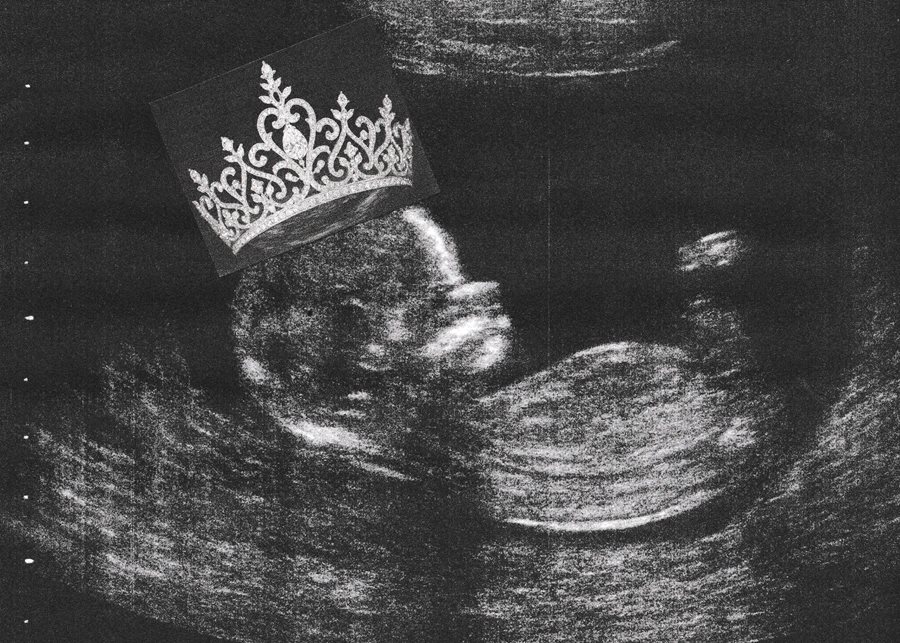
An ultrasound image with a beauty pageant crown overlayed. The piece refers to a moment from the 1993 Miss Venezuela broadcast, when former Miss Universe 1986, Bárbara Palacios, who was pregnant at the time, stated on camera: “The greatest crown is being pregnant.”
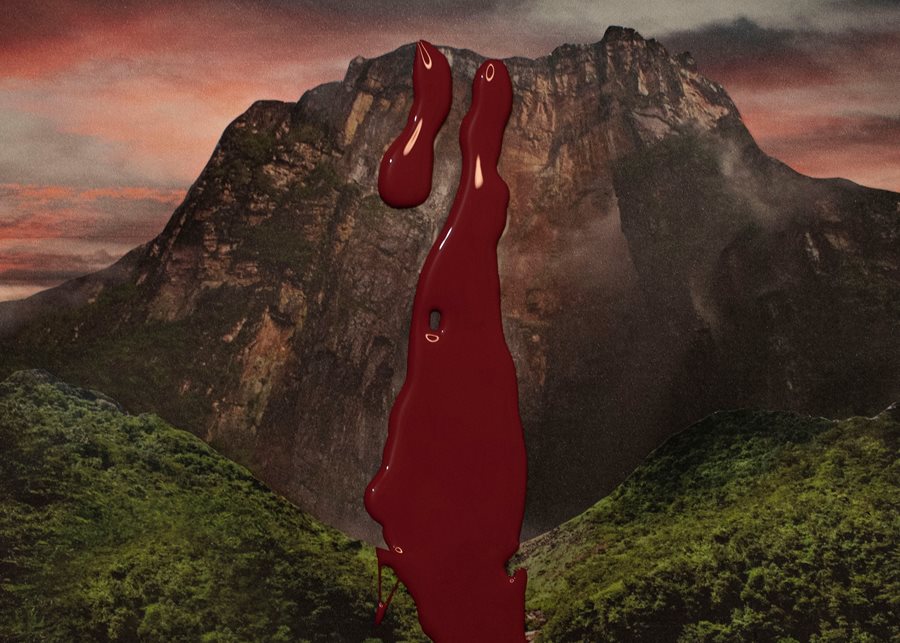
A collage of Angel Falls drawn over with red ink. Pérez says, "During the 20th century, Venezuela built an imaginary nation that was strong and beautiful, using bodies obedient to this history. On this legacy, diverse bodies and identities were denied, and violence against difference was established."
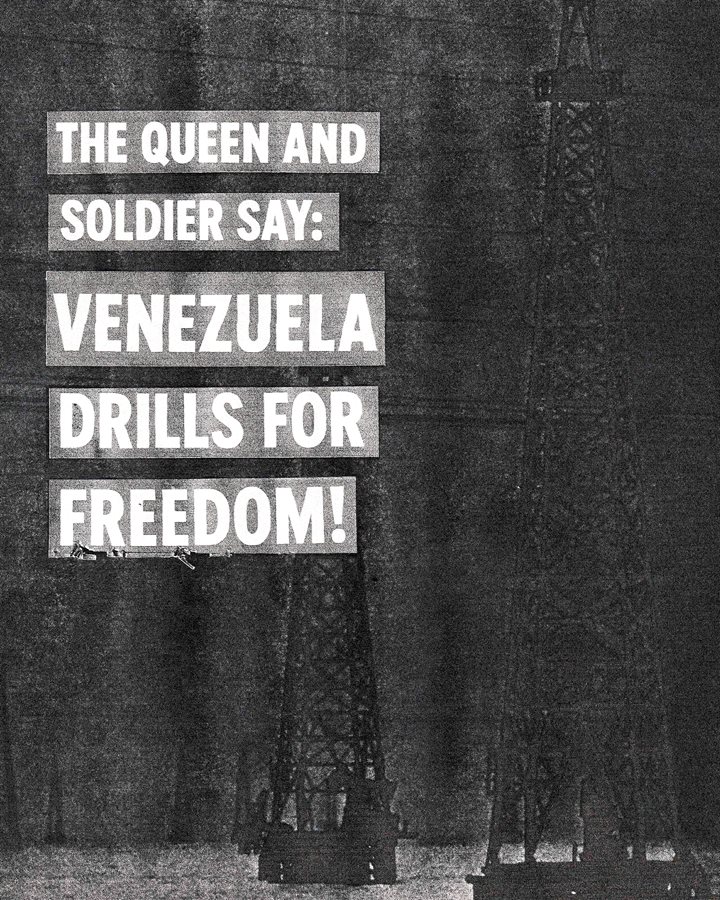
Collage made from cutouts of 20th-century publications about Venezuela, inspired by the aesthetics of US propaganda from the same period. The national values promoted by the United States became a model for Venezuela.