Sumi Anjuman

Unhealed Beneath Grieving Skies

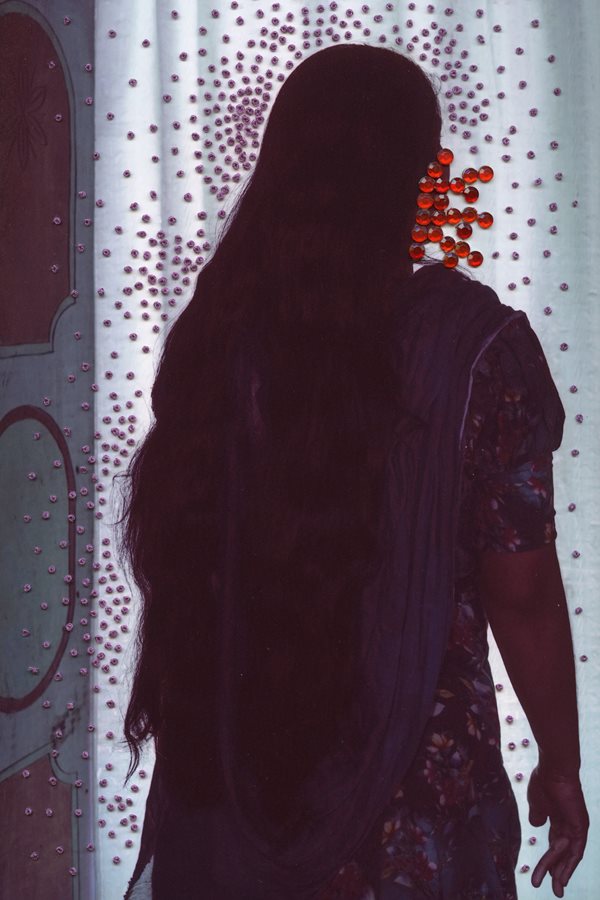
Every year, Bangladeshi women – burdened by economic precarity, domestic violence, climate loss, a failing education, and fractured dreams — leave home for the Gulf in search of a better life. Transfigured into invisible labor, many disappear into the shadows of modern slavery, shielded in colonial-rooted legal systems. Betrayed by brokers, states, and patriarchal orders, some return carrying violence, loss, and statelessness. In this context, Unhealed Beneath Grieving Skies is a dialogic, multi-layered visual inquiry, tracing invisible wounds, eroded identities, and fractured belonging, while confronting the enduring cruelties of global neoliberal capitalism.

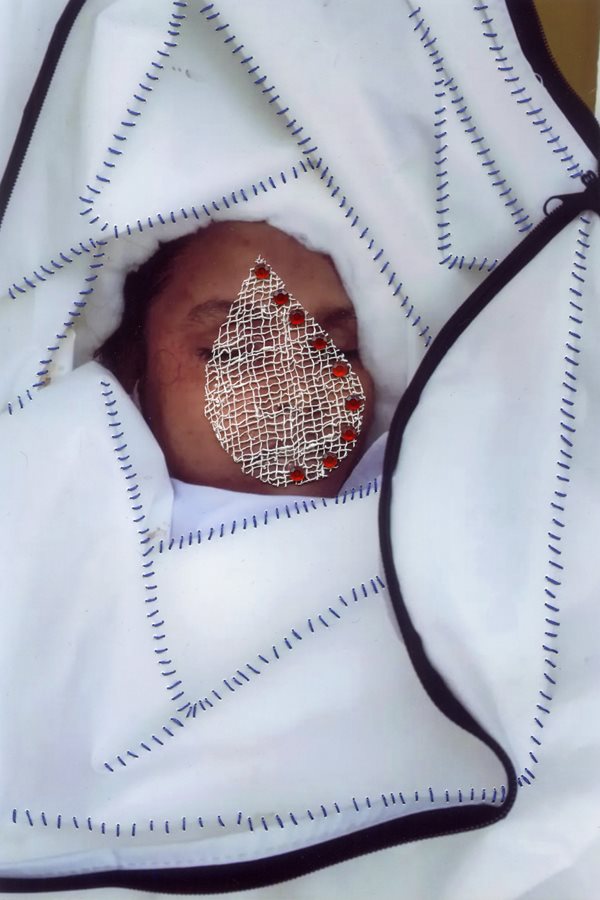
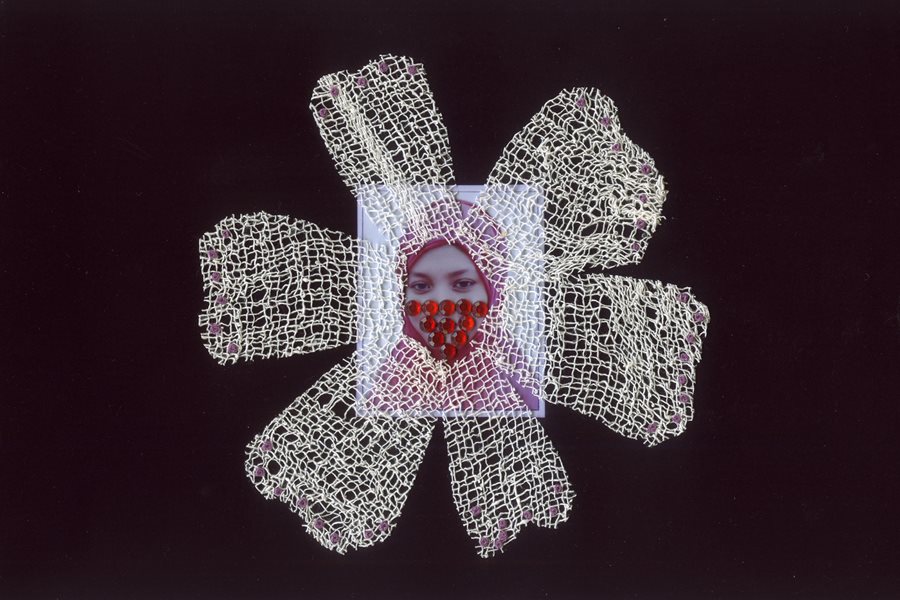
A passport-sized photograph of Suruja Akhter, taken before she left for Oman to work as a housemaid. She was later reported dead by suicide, and her body was returned to Bangladesh after her family paid 70,000 BDT for repatriation. The photograph was shared by her younger sister, Sultana, who is now navigating the bureaucratic process to secure legal financial support from the government for Suruja’s 4-year-old daughter. In Bangladesh, on 4 April 2025. 

Hajera (35) traveled to Saudi Arabia in February 2024 to support her family, as her husband’s income as a day laborer was not enough. While working as a domestic worker, she endured severe physical abuse. One day, she overheard her employer plotting to kill her and secretly recorded the conversation. She fled to a police station and presented the recording as evidence. The Saudi police sent her back to Bangladesh, but her phone, containing the recording, was never returned. In Bangladesh, on 19 June 2025.
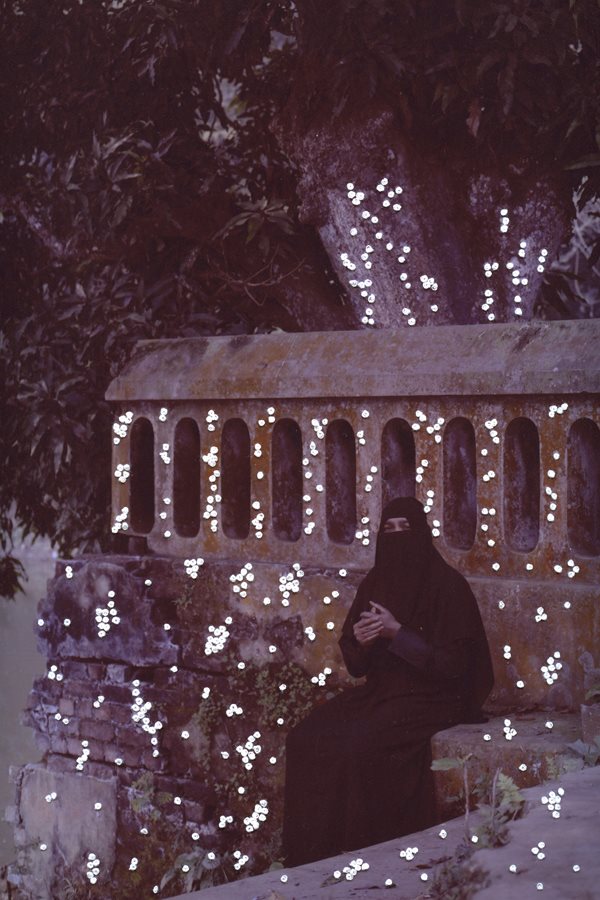
Firoza (29), unable to endure the cruelty of her addicted husband, divorced him in 2021 and returned to her parents’ home with her child. To care for her ailing father and young son, she migrated to Saudi Arabia in January 2024, where she faced relentless physical abuse — including a brutal beating for being late in making tea. When illness struck and medical care was denied, she was forced to return to Bangladesh in August 2024. Now living with her parents and son, she seeks safety, solace, and a chance to rebuild her life. In Bangladesh, on 11 June 2025.
The lifeless body of Suruja, taken by her younger sister, Sultana, at Hazrat Shahjalal International Airport in Dhaka, Bangladesh at the moment they received her remains on 2 December 2024. “Sultana shared this image with me, not merely as proof of death, but as a stark testimony to how human lives are reduced to mere numbers, rendered ungrievable, and dismissed by the state. It bears witness to the dehumanization endured by countless individuals whose suffering and loss
remain invisible in the eyes of authority.” – Sumi Anjuman
---
Sumi Anjuman (Bangladesh), a photographer based in Dhaka, uses her work as resistance – amplifying silenced voices, celebrating defiance, and protesting gender-based violence through nonviolent visual storytelling.

Instagram: @sumi_anjuman

2025 Joop Swart Masterclass

Since June, the 2025 Joop Swart Masterclass participants have been working on their projects under the guidance of their mentors and participating in online thematic presentations by a lineup of industry professionals. In November, the group came together in Amsterdam for an intensive week of workshops, visits, talks, and the final project presentations, where the 13 photographers shared their work in progress during a special event.

For the second year in a row, the 29th edition of the Joop Swart Masterclass continued to focus on the MENA region, thanks to funding from the Porticus Foundation.


Credit: Sumi Anjuman


See more work by 2025 Joop Swart Masterclass participants here