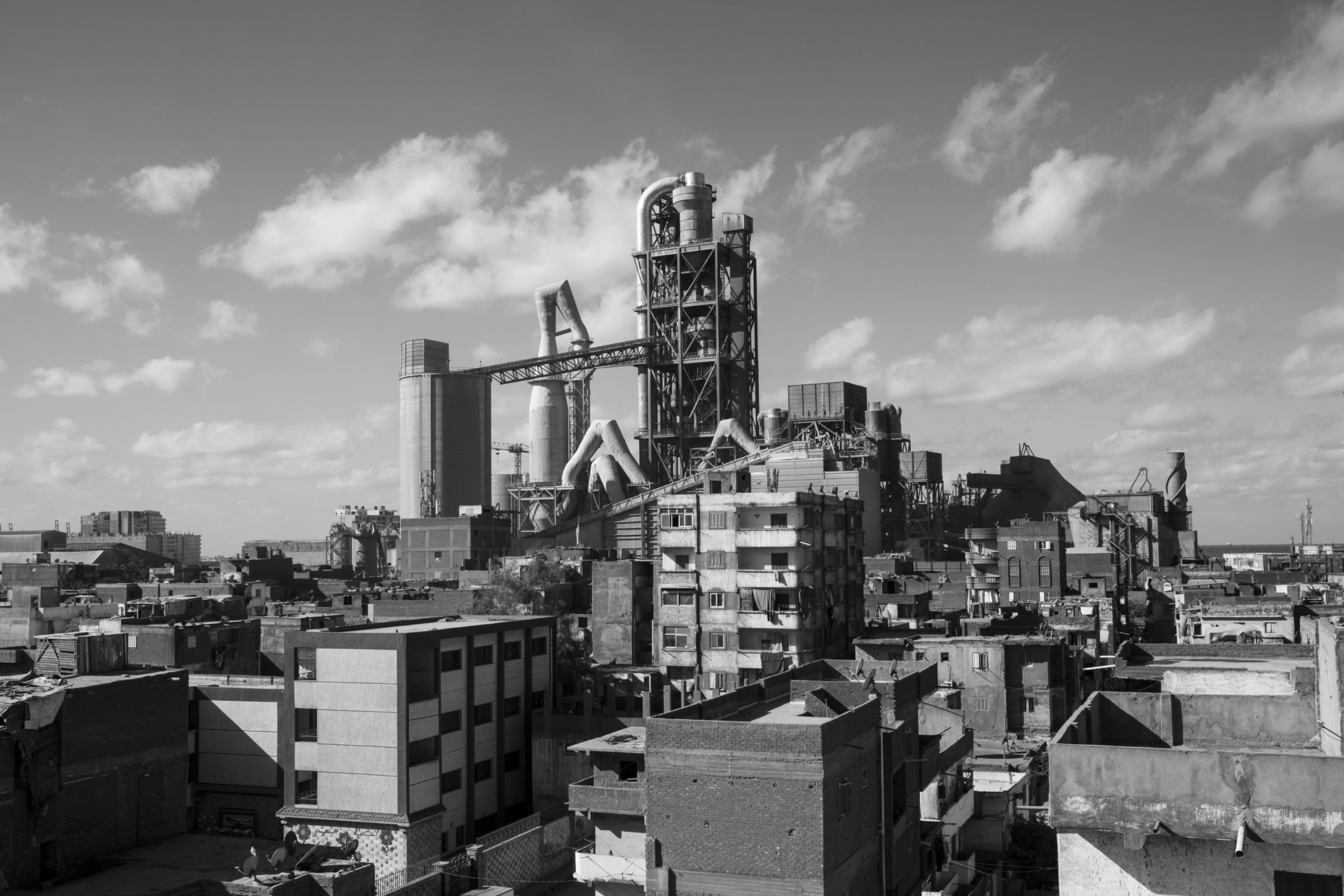


The Titan cement factory, also known as the Fifth Oven, was constructed adjacent to the northern edge of the residential area of Moon Valley in Alexandria, Egypt. Prevailing northwestern winds carry dust, coal, and waste directly into homes.
More than 30,000 residents of Wadi El-Qamar, also known as Moon Valley, in western Alexandria, Egypt, live less than 15 meters from a cement factory that fills their homes with toxic dust. The factory burns coal and industrial waste, often releasing emissions at night while residents are asleep. Children are born with asthma. Families suffer from lung disease and irreversible respiratory damage.
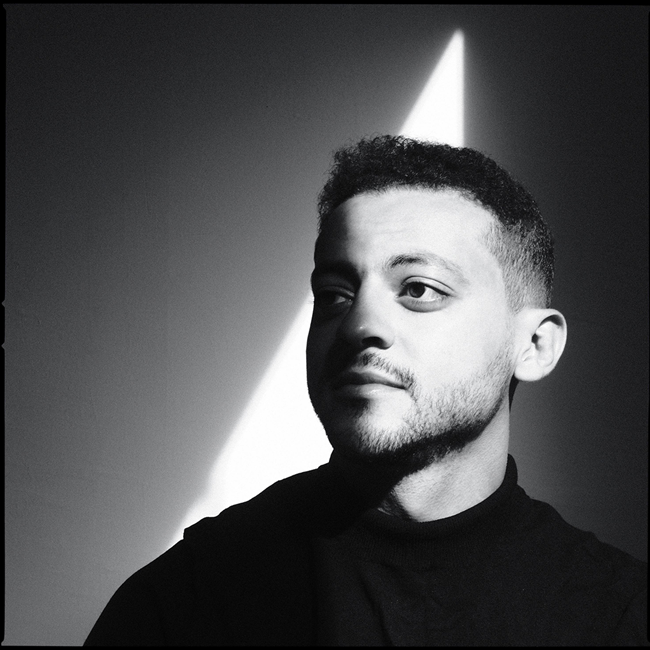
In 2016, the photographer – who lives nearby and has asthma himself – was asked by a resident whose sister was dying from asthma to document the crisis. When he began working in the area, there was an ongoing dispute over who had been there first, the factory or the residents. The Titan cement factory was built in 1948, originally as Alexandria Portland Cement before being sold to a Greek company. Archival research uncovered rental contracts from 1928, proving that homes predated the factory.
Over the past decade, families have filed complaints and legal cases. In 2018, a court found Titan Cement guilty of environmental pollution, the first environmental case won in Egypt. Yet it took seven years for the company to begin compensating families in 2025. Only four residents received payments, while others who fought the case had already passed away. Despite the delays, the victory marked a turning point: legal acknowledgment of environmental injustice, offering hope for future cases.
Through photography, community testimonies, and long-term engagement, this project helped secure medical and legal aid for families while revealing how industrial practices that fuel the climate crisis devastate the most vulnerable communities first. Public pressure contributed to the installation of filters on the factory chimneys, though according to residents conditions have not improved.
The photographs that shape how we see the world don’t appear by chance. They are the result of persistence, courage, and careful work. Support World Press Photo with a donation, so we can continue to be a platform for these stories.