The end of the year is always a time of looking back, making lists of events and accomplishments and doing a financial tally. At World Press Photo, we not only look at events and numbers: for us the ‘bottom line’ includes asking ourselves how we’ve lived up to our values. Have we been accurate? Have we been transparent? Have we ensured that the public can trust us? News is rife with conflicting narratives, which for World Press Photo means that our selections are sometimes hotly contested. We take accuracy very seriously but there is always space for different points of view, and we don’t shy away from difficult discussions. You could even say that difficult discussions are part of our mandate. We want people to grapple with the realities that photojournalism lays bare. We hope that these images will lead to insights and conversations that alter perspectives and bring people closer together. For instance, look at this year’s Photo of the Year: 9-year-old Palestinian Mahmoud Ajjour, faces a life without arms. He sits in quiet contemplation. The image is a stark reminder of the personal tragedies and innocent victims of war. It moved many people to raise funds for his family and his care. That is impact! Photojournalism often produces powerful images that evoke intense reactions, but our responsibility extends beyond simply showcasing visual excellence. Providing accurate context and being transparent about our judging process ensures that the public can trust us. Just one example: the 1973 World Press Photo of the Year shifted perspective on the Vietnam war and sparked massive public protests. Years later, when authorship of the photo was called into doubt, we commissioned an independent inquiry and suspended attribution awaiting definitive clarification. For us it was a matter of taking responsibility and being transparent. We take seriously the need to keep examining what we do and to bring the public with us in that examination. It’s an approach exemplified by our 70th Anniversary exhibition. Instead of a flashy celebratory show, we opened our archives to independent curator, artist and photographer Cristina de Middel. The result was “What Have We Done?,” a deep reflection on our work over the past 70 years and the lessons we’ve learned. It is one perspective on our work over the years. It was well-received by audiences who found it “daring” and “smart”. I personally found it inspiring, critical, mind-opening and hopeful. |
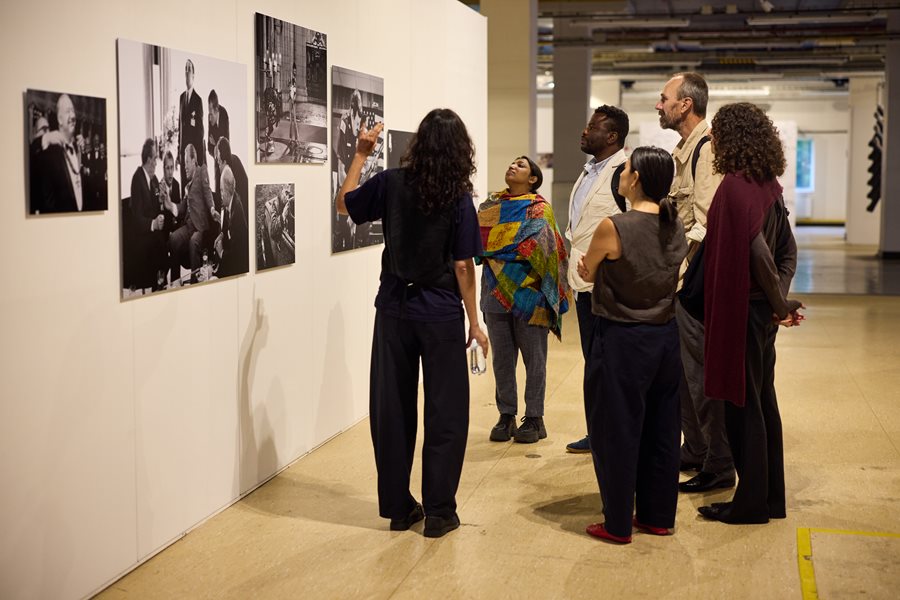
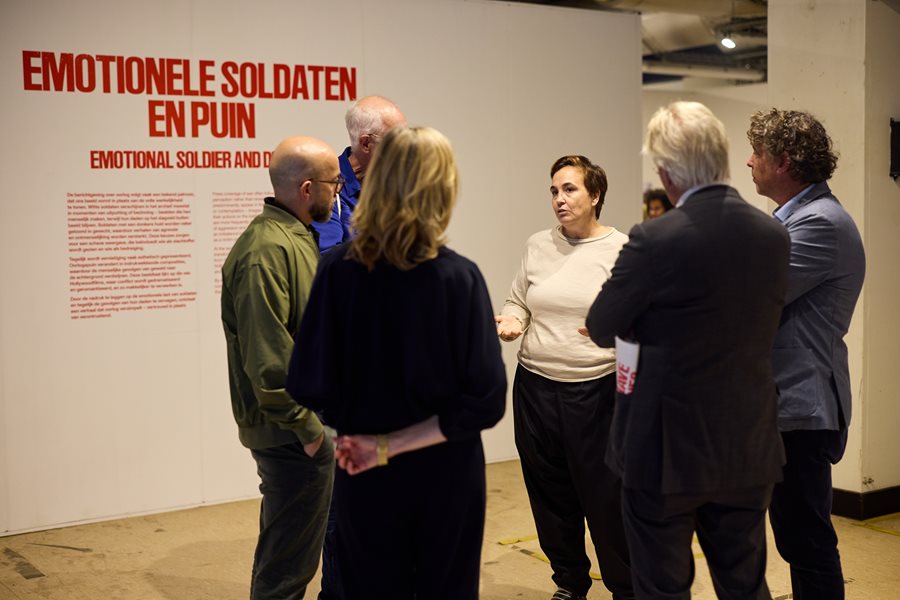
Left: Speakers, staff members, and visitors at our 70th anniversary exhibition,‘What Have We Done?’ , in Groningen, the Netherlands. Right: Curator, Cristina de Middel, at the opening of the exhibition in the Netherlands. Credit: Tim Van Der Kuip.
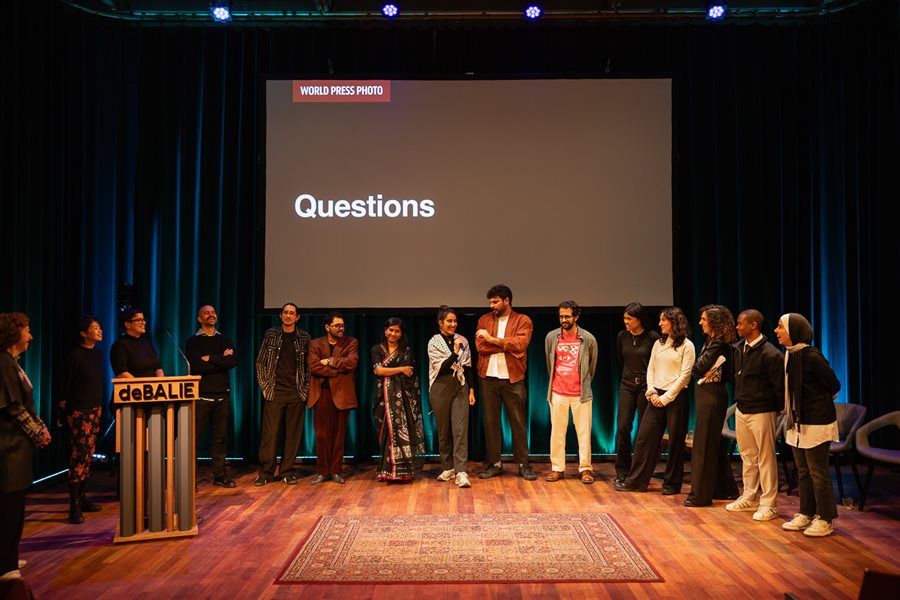
2025 has been a year of a great deal of reflection on the nature of what we do and the state of the world we’re in. Developments in politics and technology leave us with many questions: what is news today? What is media? What will AI mean for photojournalism and the way news is received? At a special event in Amsterdam, to mark our 70th anniversary, we engaged the public in the discussion. Leading photography theorist and educator Fred Ritchin spoke about some of the risks AI poses for the future of photojournalism, as well as some possible solutions. We also looked into the future with the work of the next generation of visual storytellers who participated in the 2025 Joop Swart Masterclass.
The 2025 Joop Swart Masterclass participants answer questions from the audience after their presentations in Amsterdam. Credit: Maarten Nauw
To help us prepare for the future, whatever it brings, we were thrilled to just receive a grant from the Gieskes Strijbis Fund called From Legacy to Leadership: World Press Photo at the Crossroads of AI, Misinformation, and Democracy.
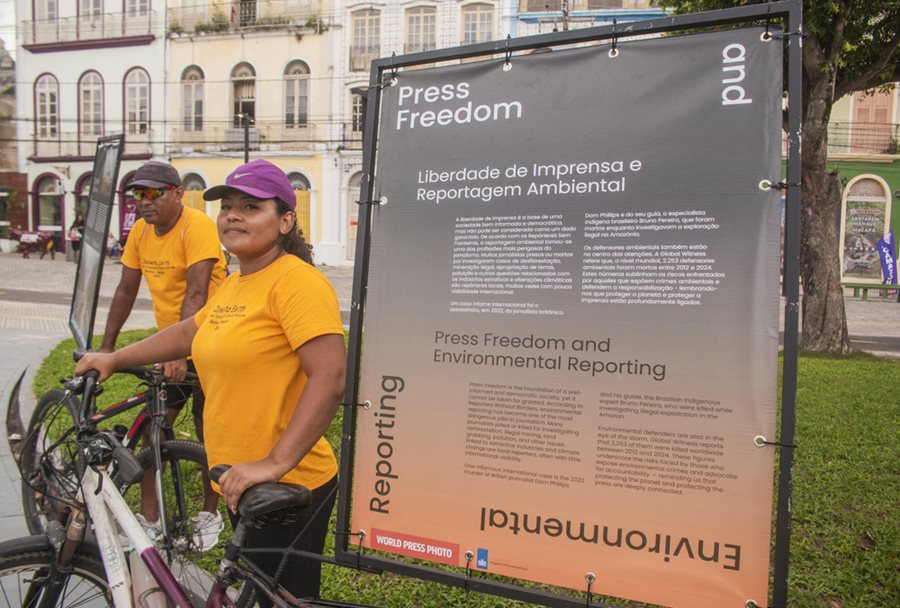
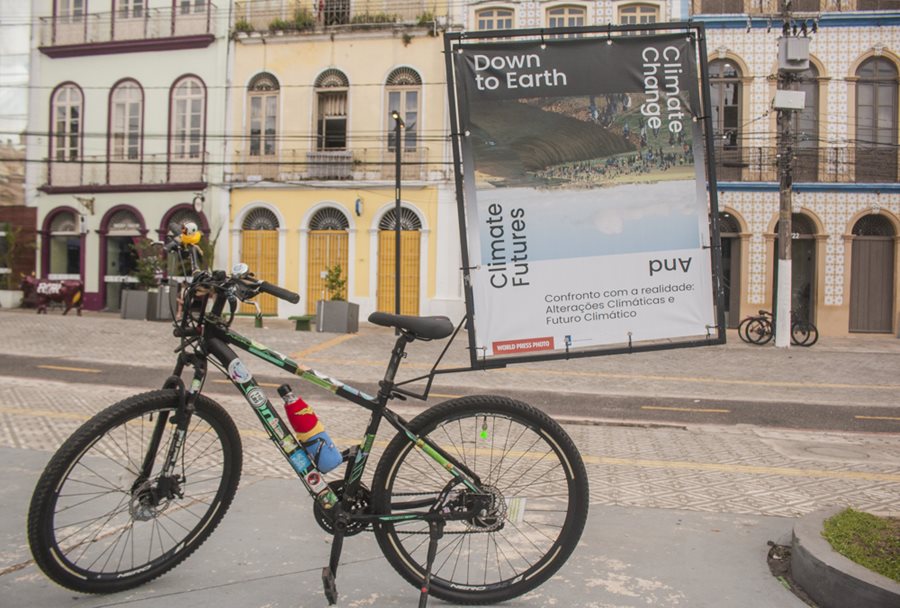
Although the past year has had its challenges, I see a lot of bright spots. Particularly gratifying is seeing how people connect through our work. In Montreal, our most successful exhibition yet welcomed 73,000 visitors in seven weeks, with Haitian photojournalist and 2025 World Press Photo Contest winner, Clarens Siffroy’s presence and his story sparking a profound connection with the city’s large Haitian community. At the Climate Conference in Brazil, in collaboration with the Dutch Ministry, we organised a poster show on the backs of bicycles. The bikes carried winning images directly into the streets and onto university campuses - how accessible and green can it get! These experiences showed how people everywhere can encounter, respond to, and contribute to compelling stories.
Credit: The Embassy of the Kingdom of the Netherlands in Brasília
Joumana El Zein Khoury
Executive director, World Press Photo