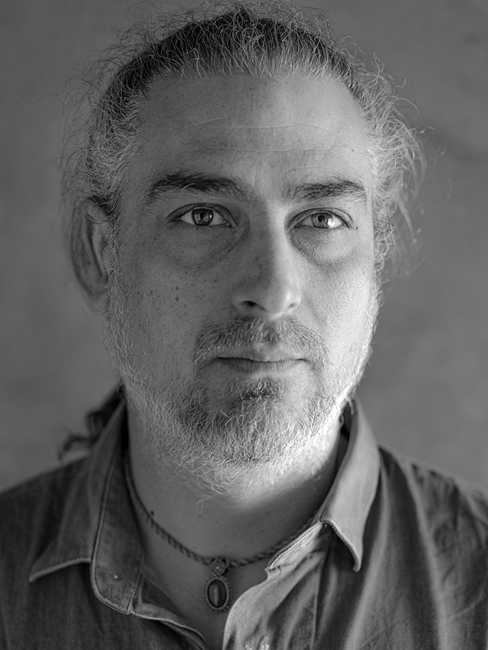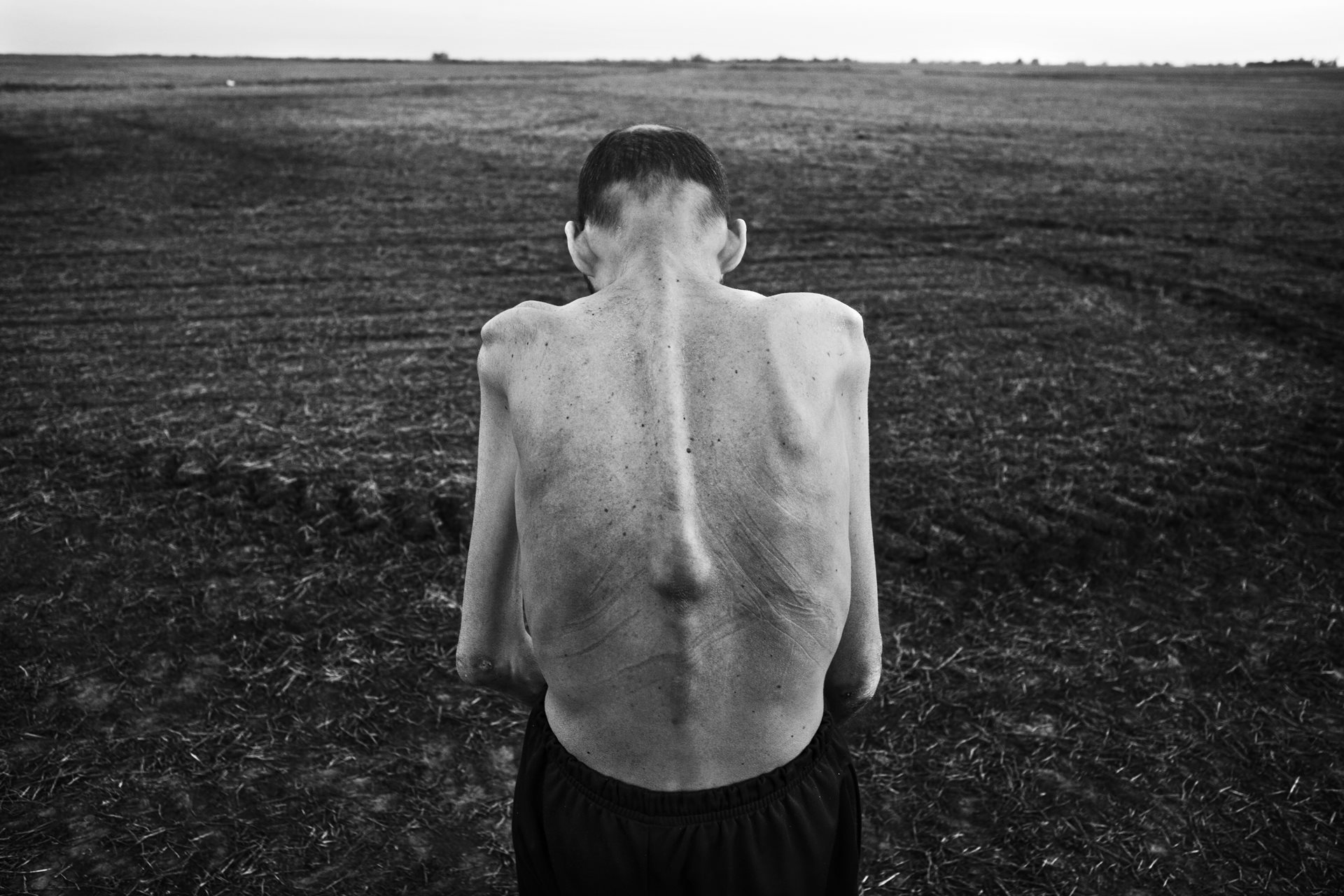


Fabián Tomasi became a global symbol of the fight against agrochemicals after developing severe toxic polyneuropathy from his work as a sprayer. He passed away in 2018, having spent his final years documenting the physical decay caused by chronic pesticide exposure. Entre Ríos, Argentina.
In 1996, Argentina radically reshaped its agricultural landscape by approving the use of genetically modified, herbicide resistant soybeans. This policy, adopted without independent domestic research, launched a transition that turned the country into a global laboratory for agro-industrial expansion. Since the adoption of this model, pesticide use has escalated significantly; while initial figures stood at roughly 40 million liters, projections and informal trade data now suggest a total annual volume exceeding 500 million liters. Today, nearly 60% of Argentina’s cultivated land is dedicated to GMO crops, a territory where approximately 14 million people live in close proximity to intensive spraying zones.
The human toll of this chemical-intensive model is recorded in severe health crises across agricultural provinces like Chaco, Misiones, and Entre Ríos. For many years, independent scientific studies and networks of rural doctors have established correlation between agrochemical exposure and chronic illness. In some of these regions, pediatric cancer cases have tripled in a decade, and spontaneous miscarriages and congenital malformations are reported at rates three to four times higher than the national average. Despite these findings, the lack of a unifying national law to regulate herbicides allows toxic drift (the movement of airborne herbicides or pesticides away from their intended target) to reach within meters of human settlements.
Captured over a decade, this project documents the daily reality behind the statistics, focusing on the individual people bearing the weight of this economic strategy. These photographs are a record of the consequences of Argentina’s export-led model that prioritizes agro-industrial corporate profits over the health and lives of the country’s rural citizens.
Will you join us to champion the power of photography to help people understand our shared world and inspire them to act? As a non-profit organization, we depend on support from people like you to be able to continue our activities. Make a donation.