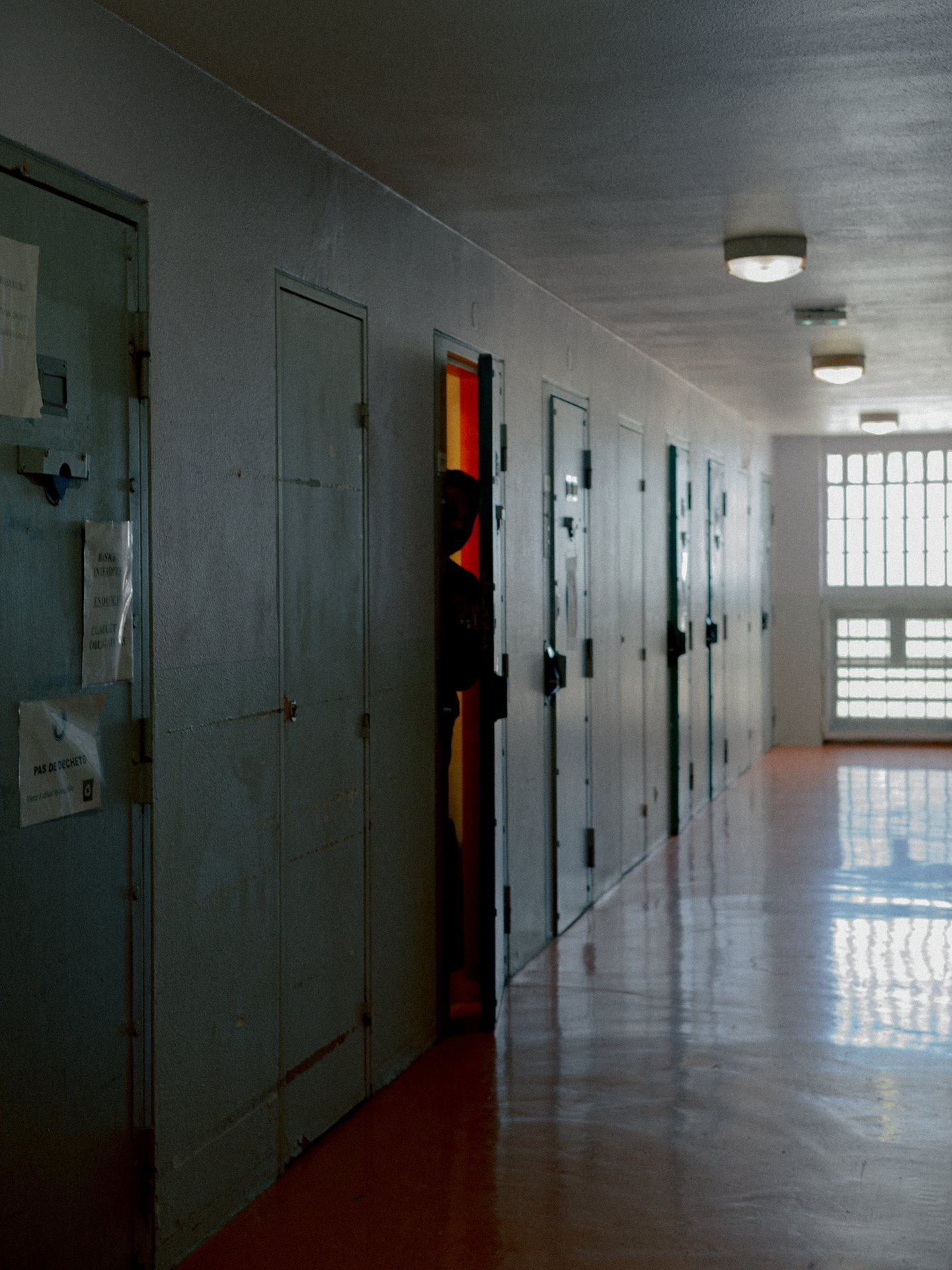


The interior of Villepinte prison in Villepinte, France, opened in 1991 with a capacity of 546 places. The facility held more than 1,000 detainees when this photograph was taken, an occupancy rate of nearly 200%.
In the peripheral neighborhoods of France’s banlieues, migrant families navigate postcolonial legacies, higher rates of unemployment, and structural inequality. Built rapidly in the postwar decades to house lower-income families pushed out of city centers, these housing projects became chronically underfunded and neglected. Today, in Seine-Saint-Denis, 27.6% of residents live below the poverty line compared to a national average of 15.4%.
France’s integration system requires migrants to culturally assimilate while prejudice persists, leaving communities caught between exclusion and belonging. Government integration programs largely target newly arrived immigrants, rather than third generation migrants born and raised in France. Young people find it hard to access internships and apprenticeships without networks, and a foreign name or a banlieue address can deter potential employers.
Yet these communities are also spaces of creativity and resilience that shape contemporary French culture – producing actors, athletes, filmmakers, and musicians whose work has reached global audiences. Initiatives like the Kourtrajmé School in Clichy-Montfermeil, founded by a French-Malian film director and offering free film and photography training, reflect a broader effort to support talent emerging from the banlieues.
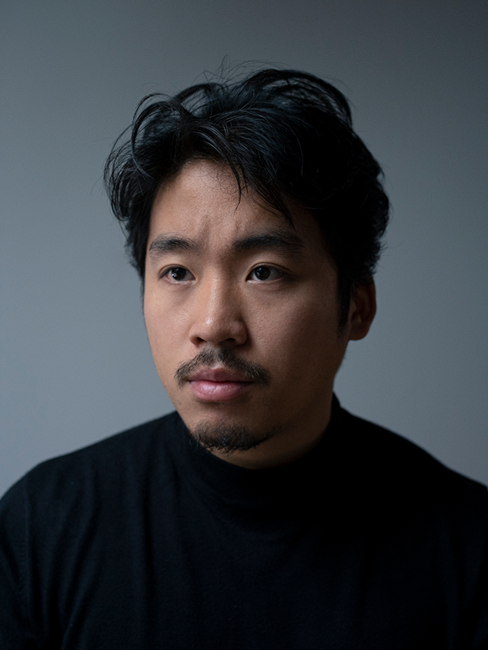
Documenting his friends and family, the photographer – born to Cambodian refugees – offers a rarely seen insider perspective, portraying lives in which community and solidarity are the clearest markers of identity.
Will you join us to champion the power of photography to help people understand our shared world and inspire them to act? As a non-profit organization, we depend on support from people like you to be able to continue our activities. Make a donation.