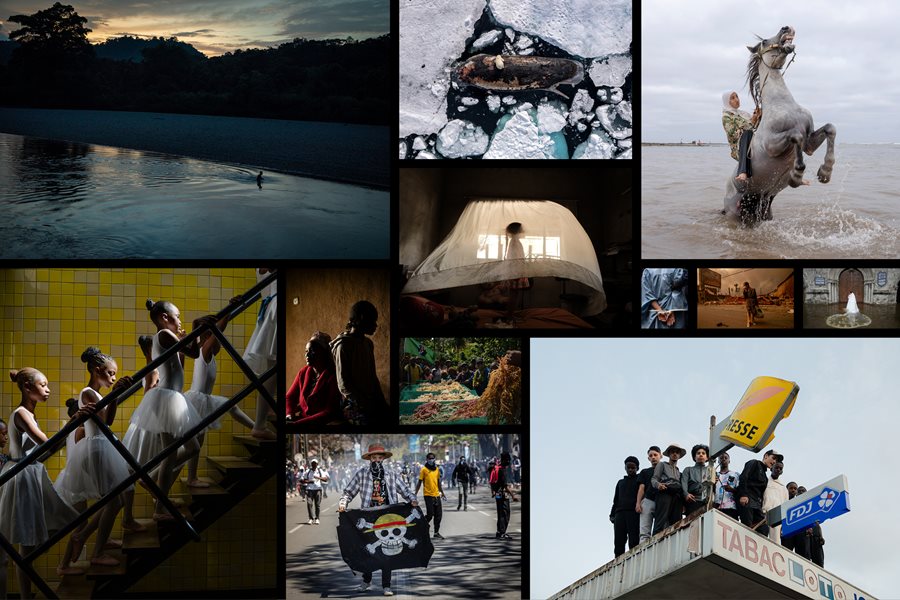
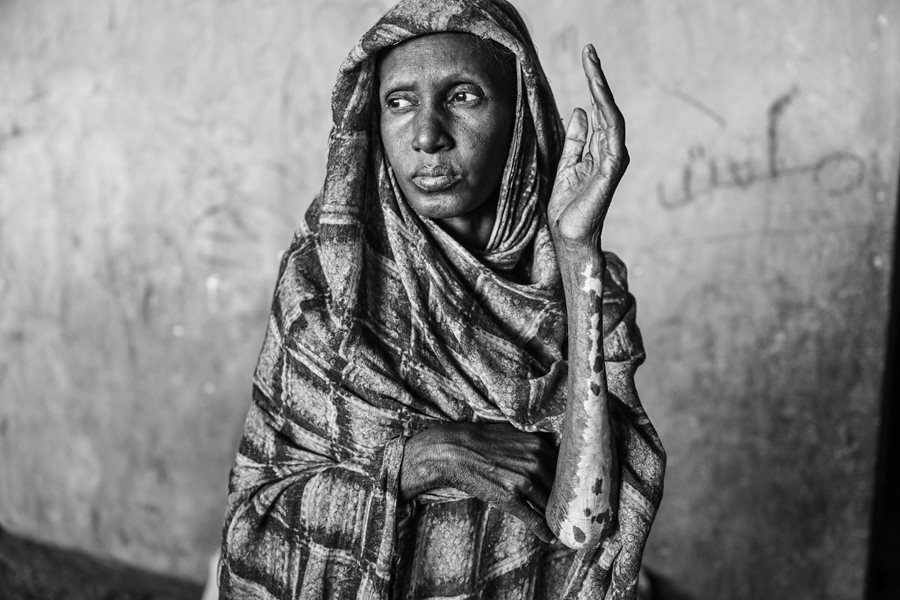
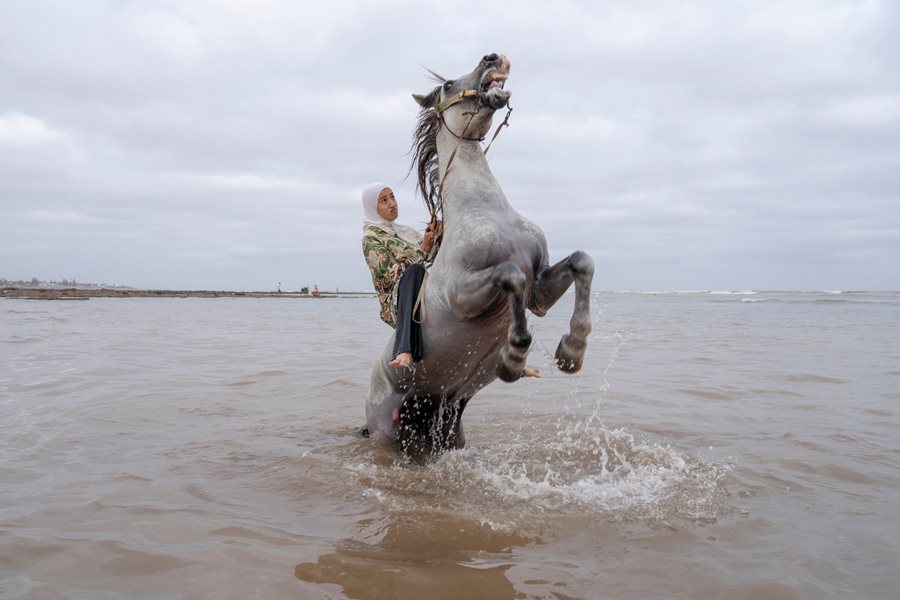
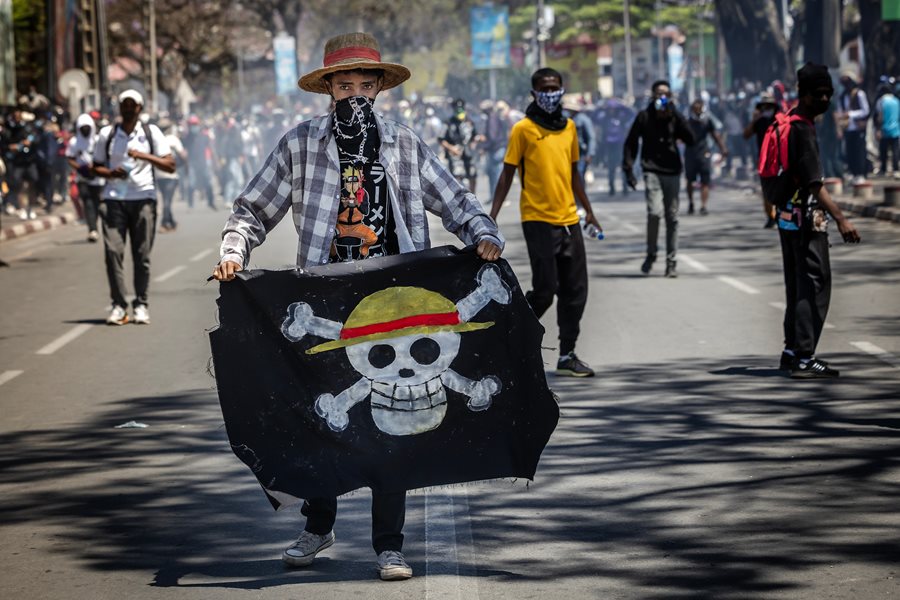
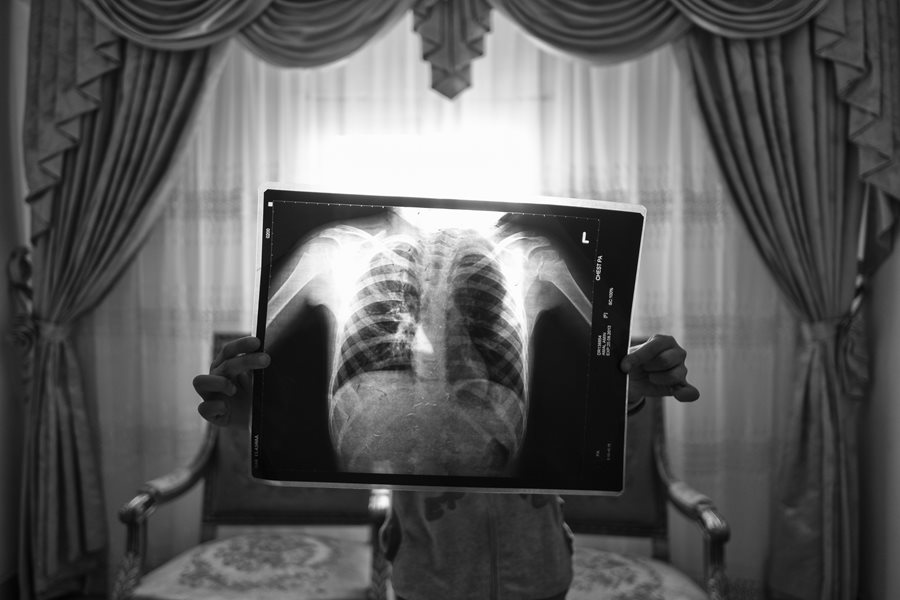
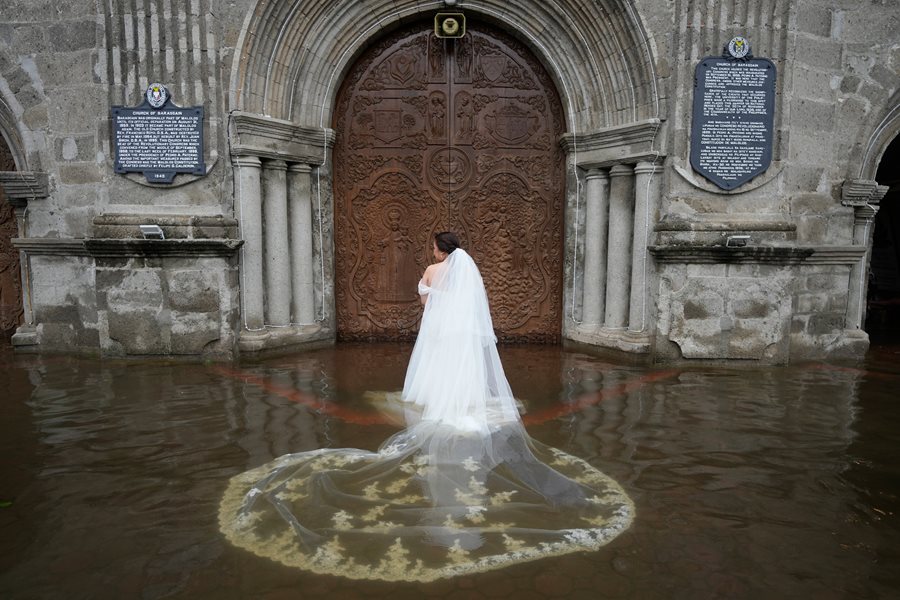
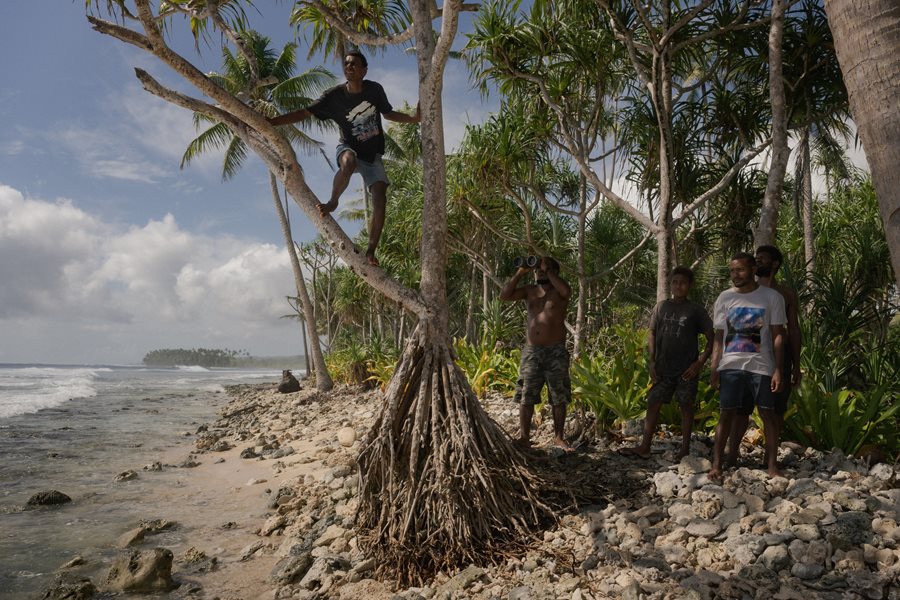
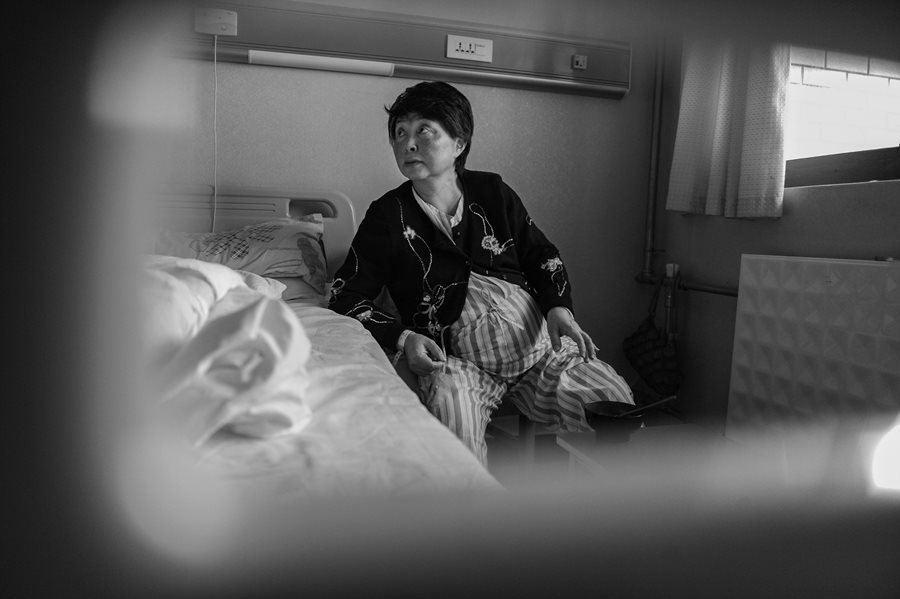
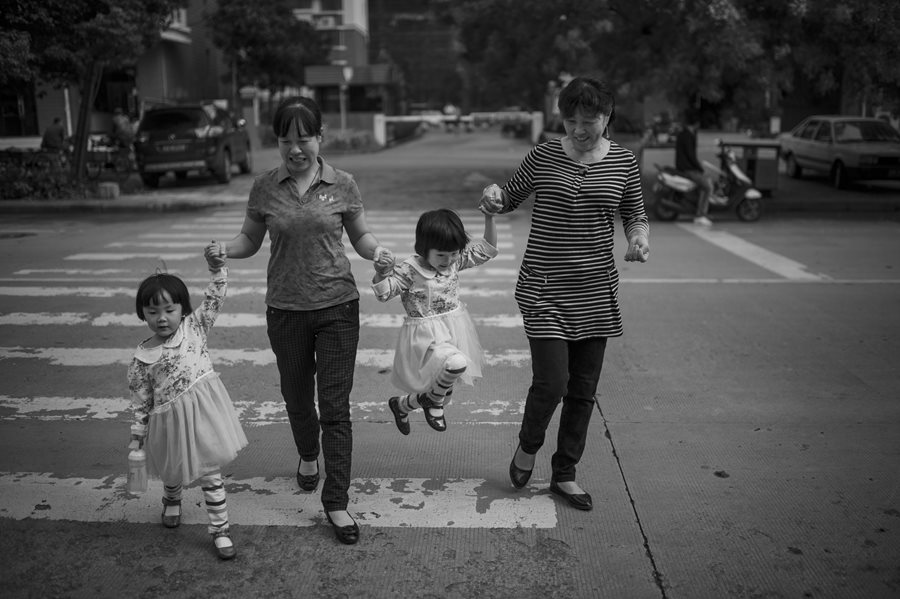
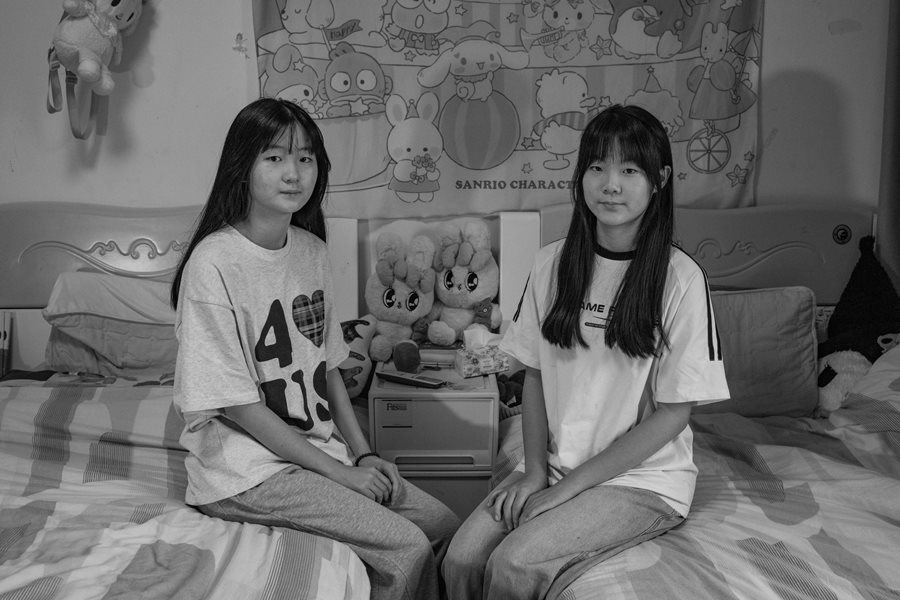
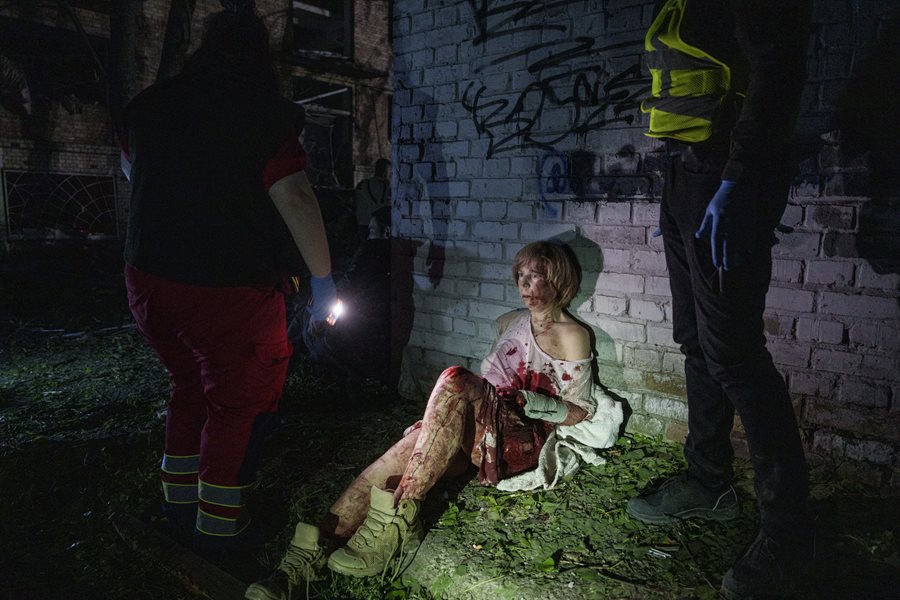
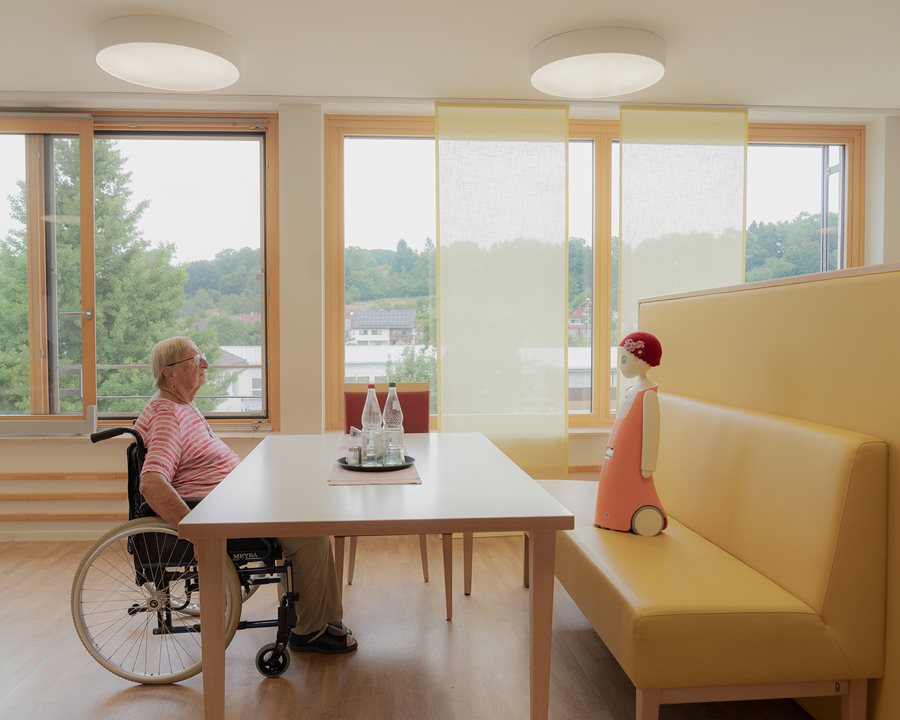
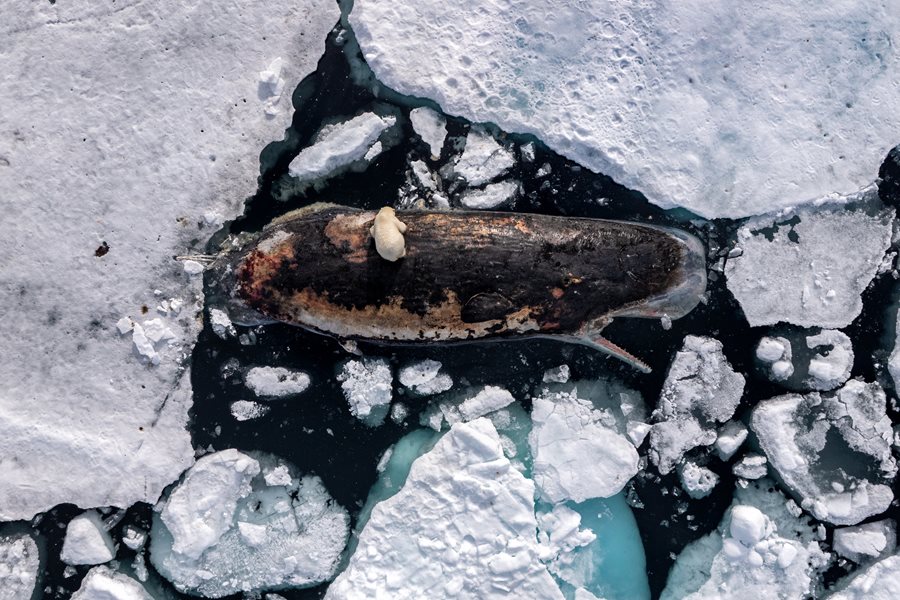
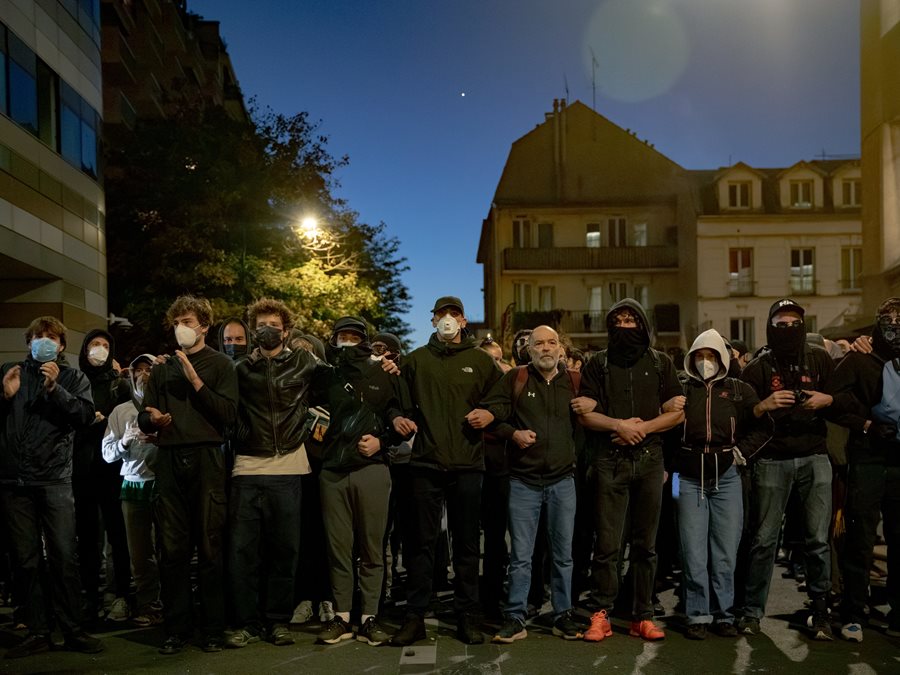
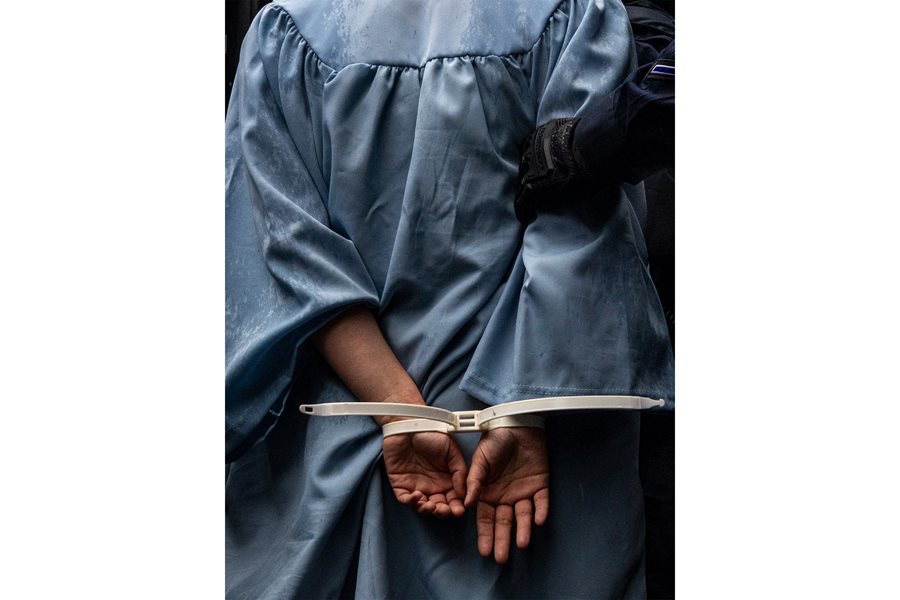
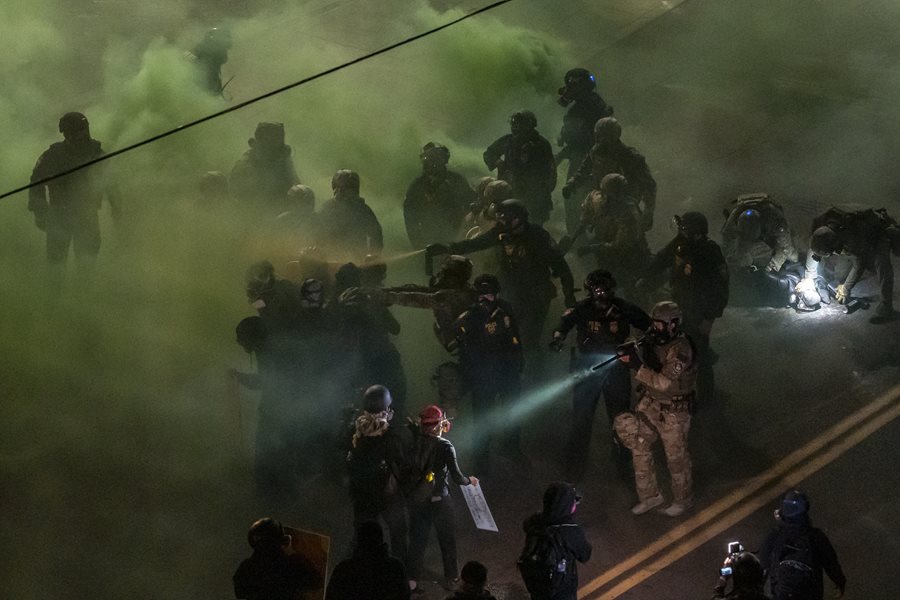
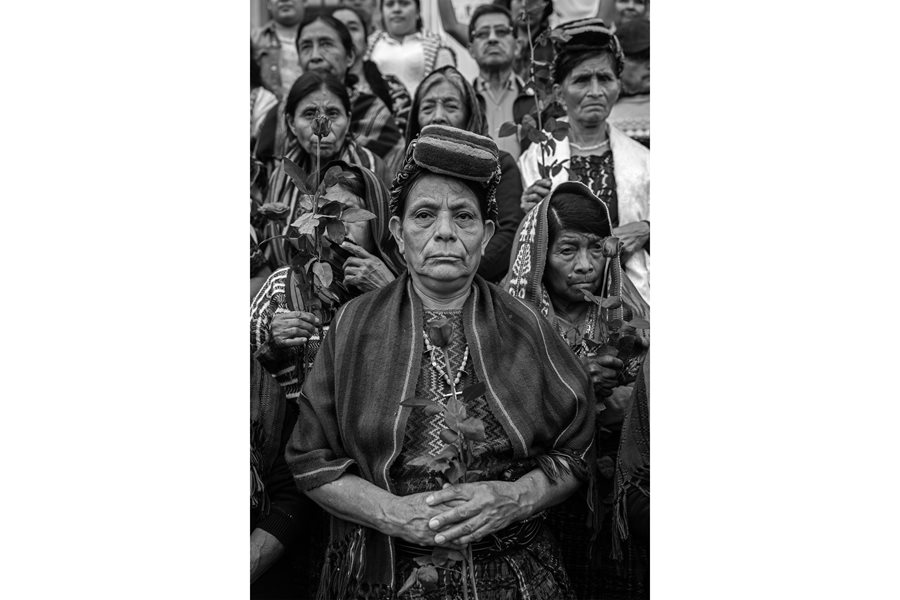
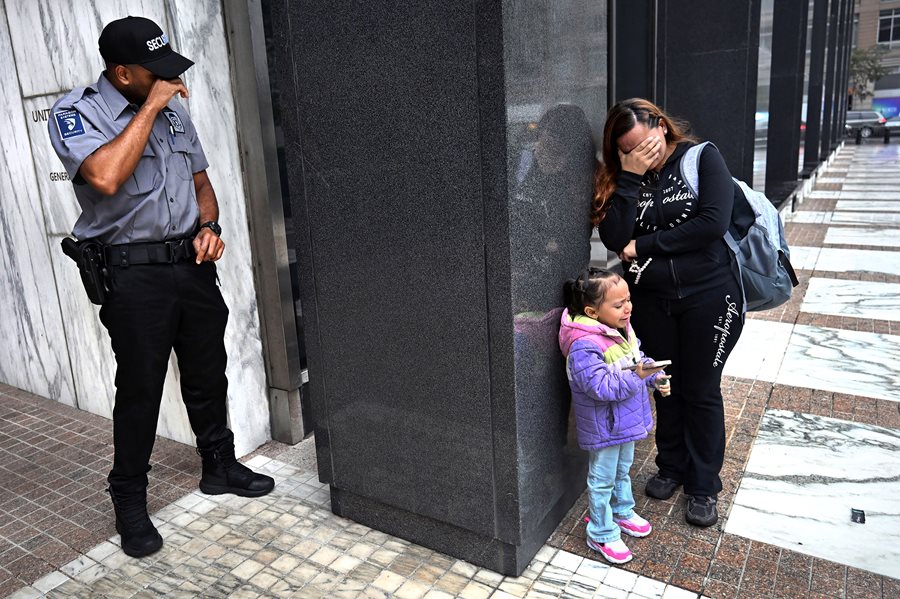
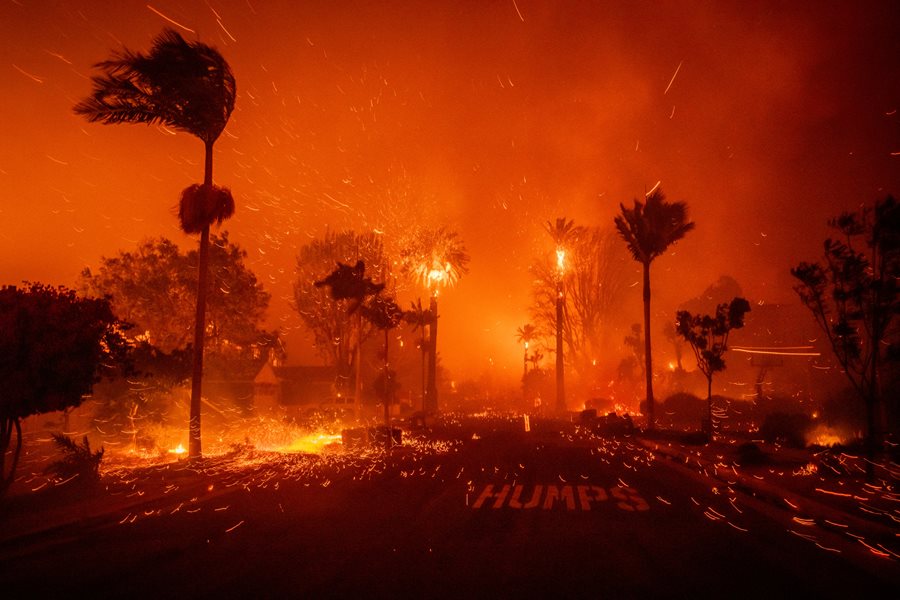
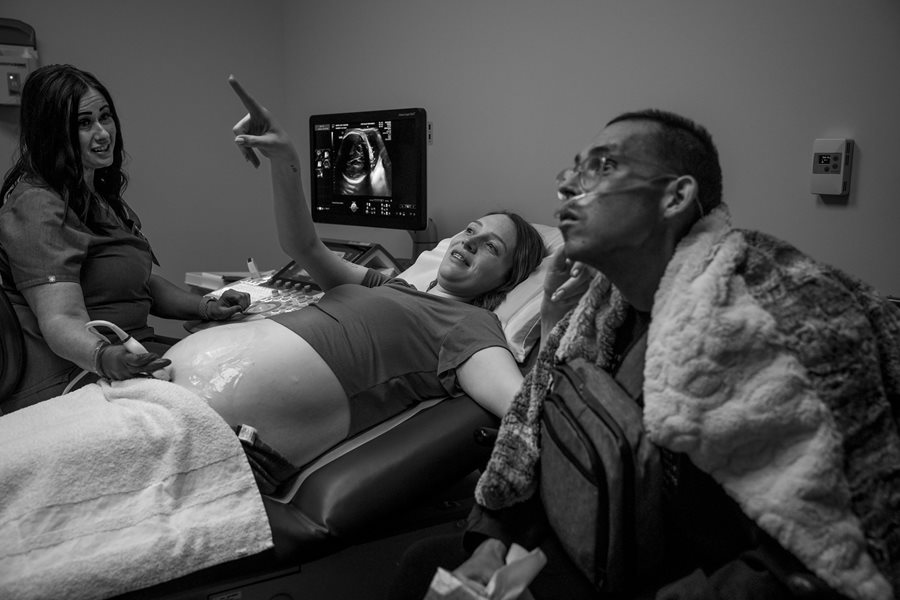
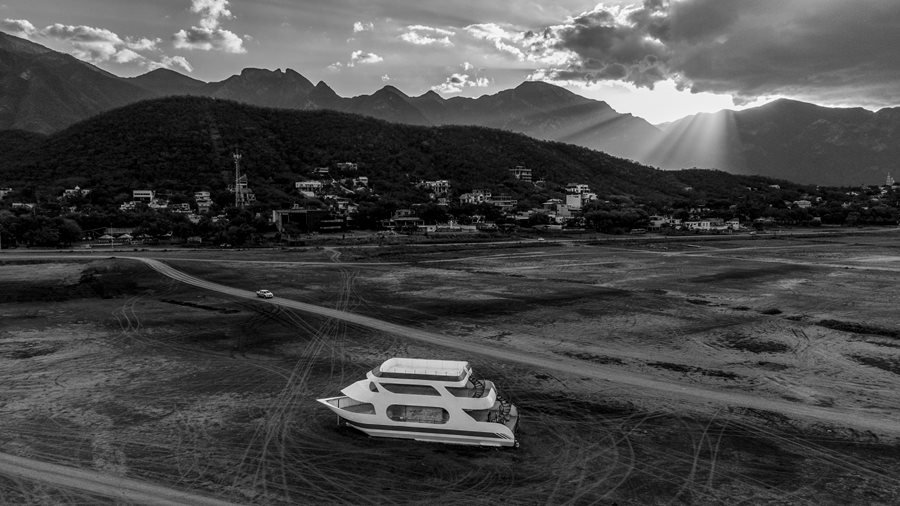
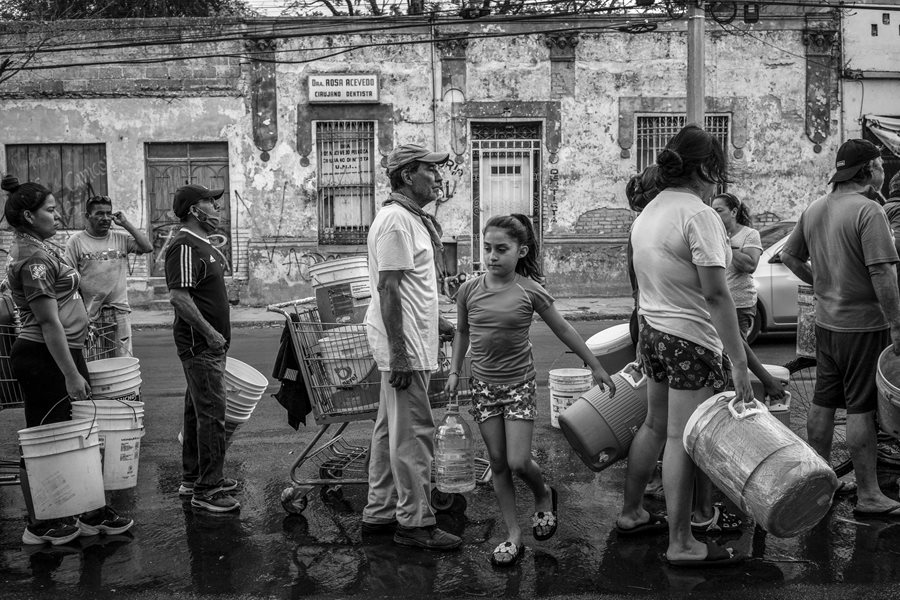
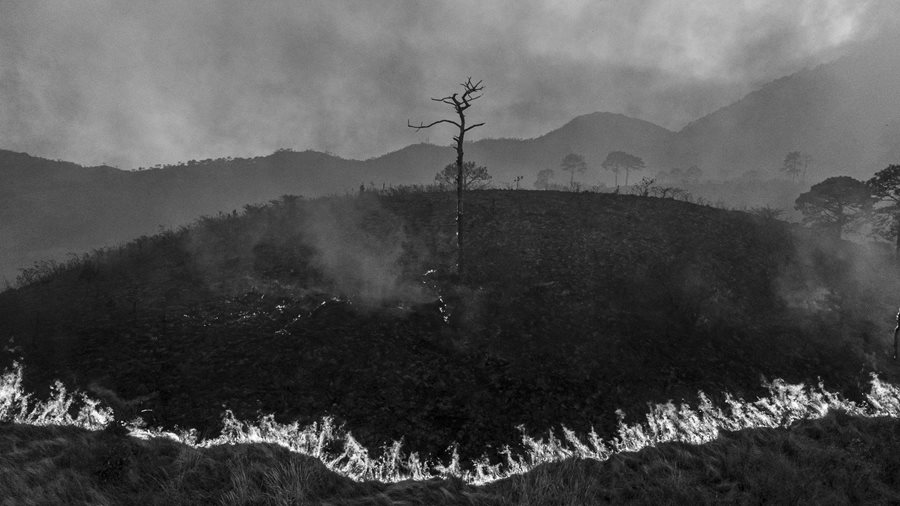
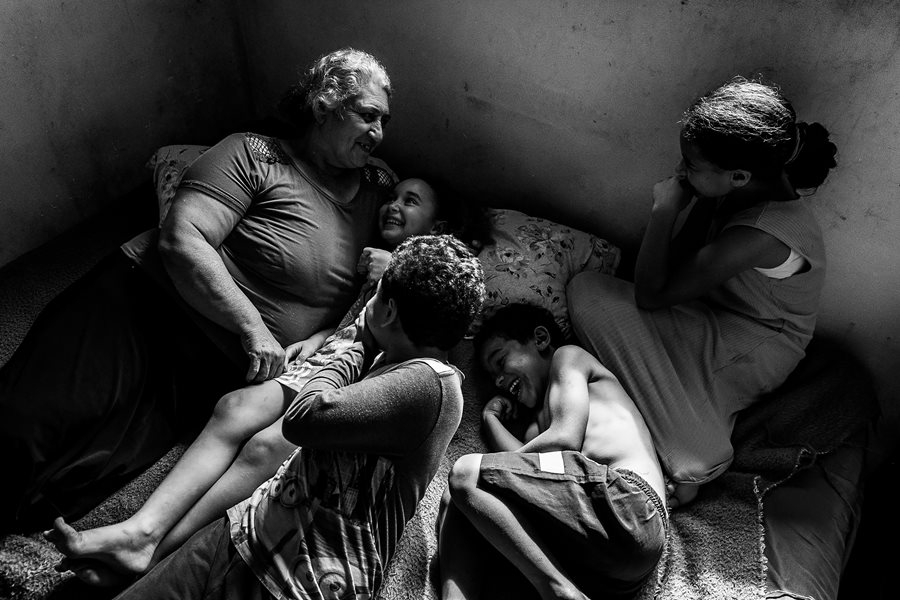
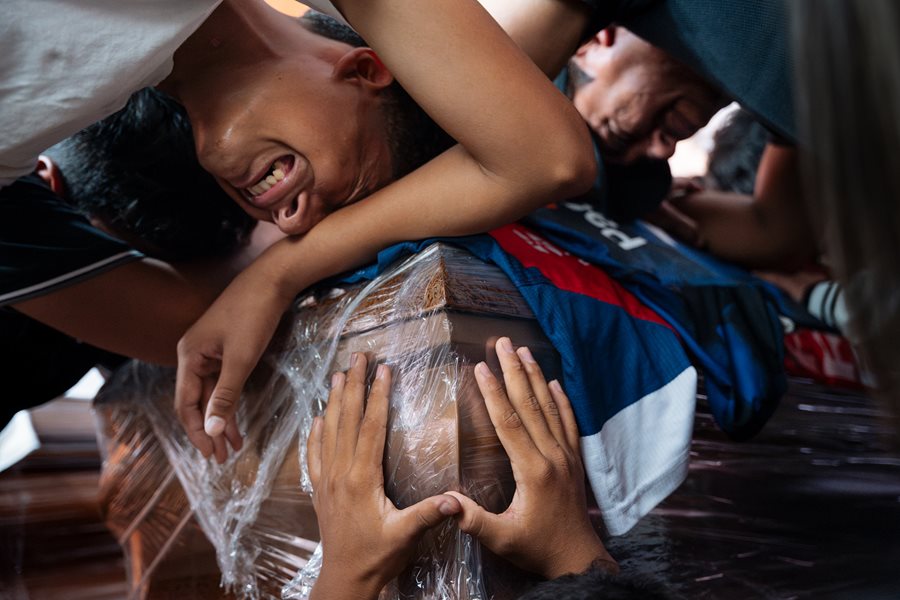
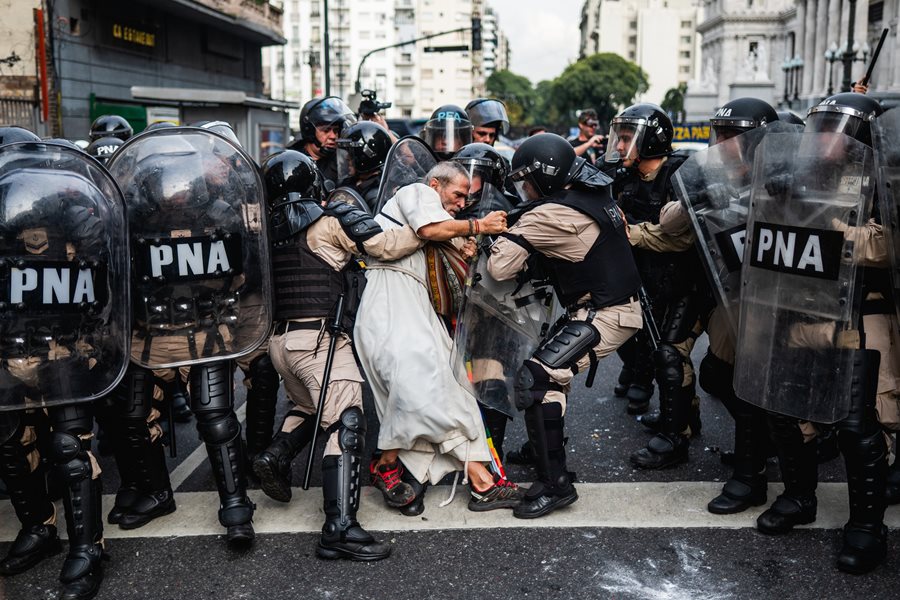
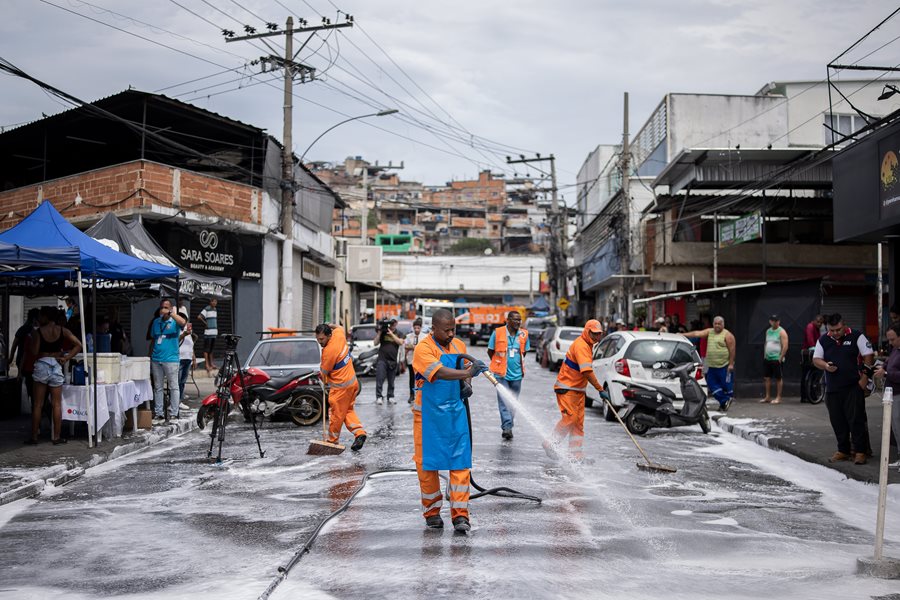
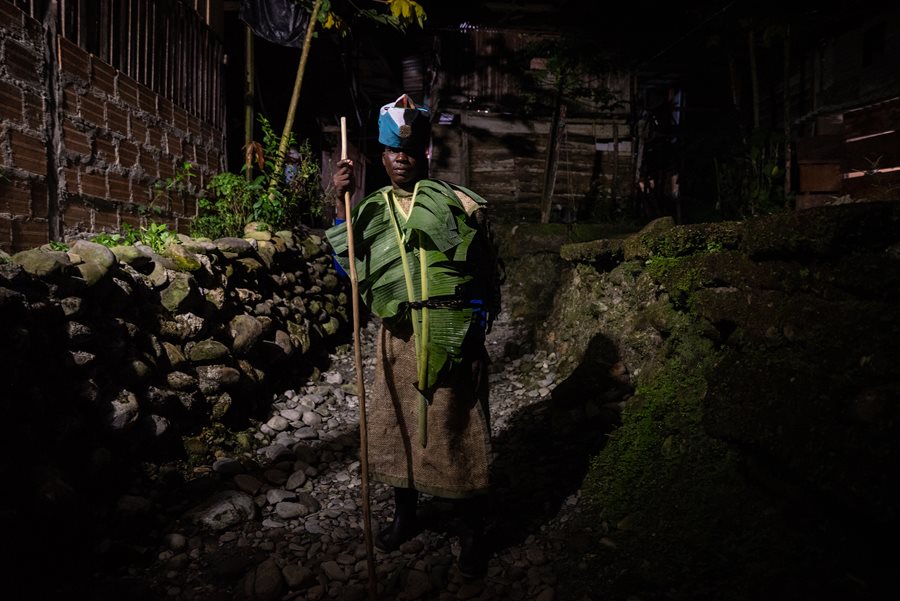
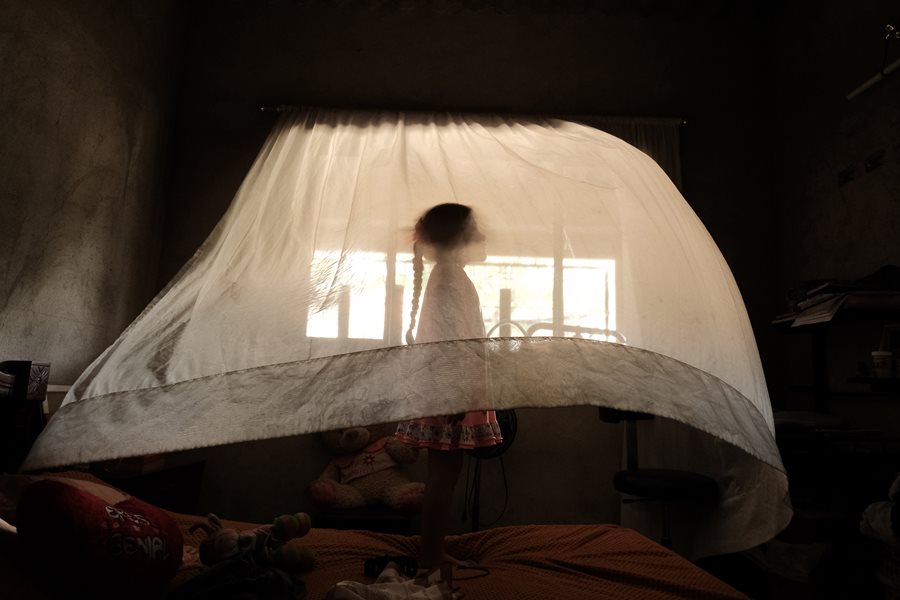
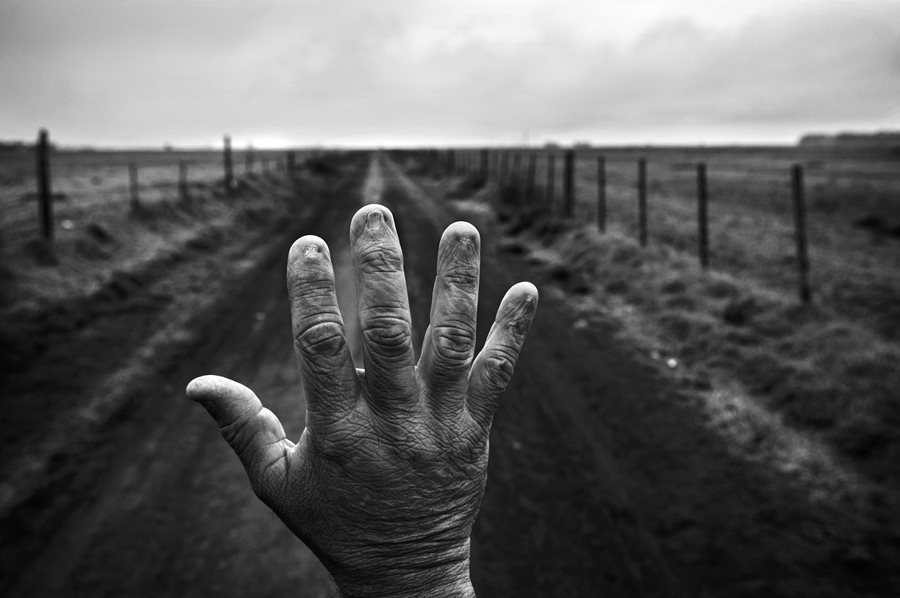
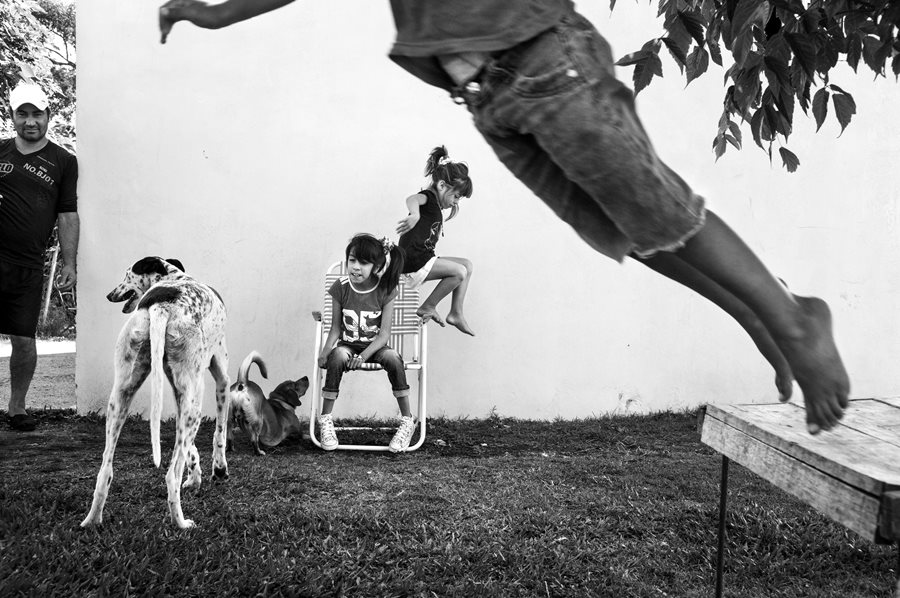
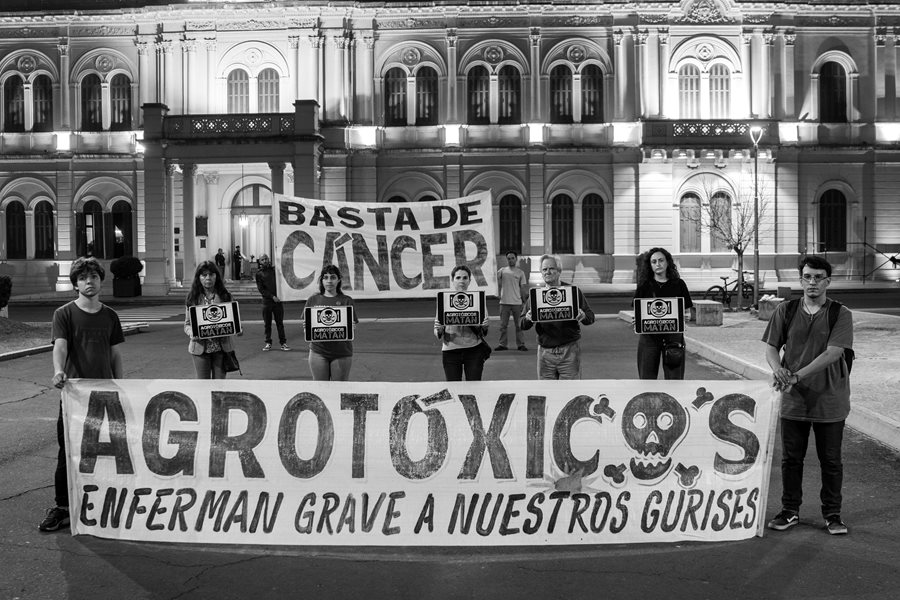
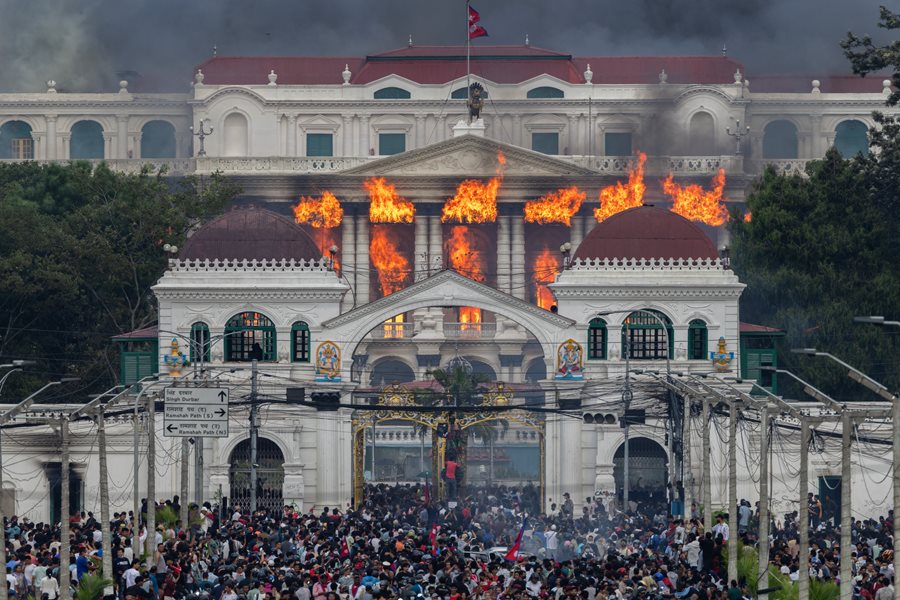
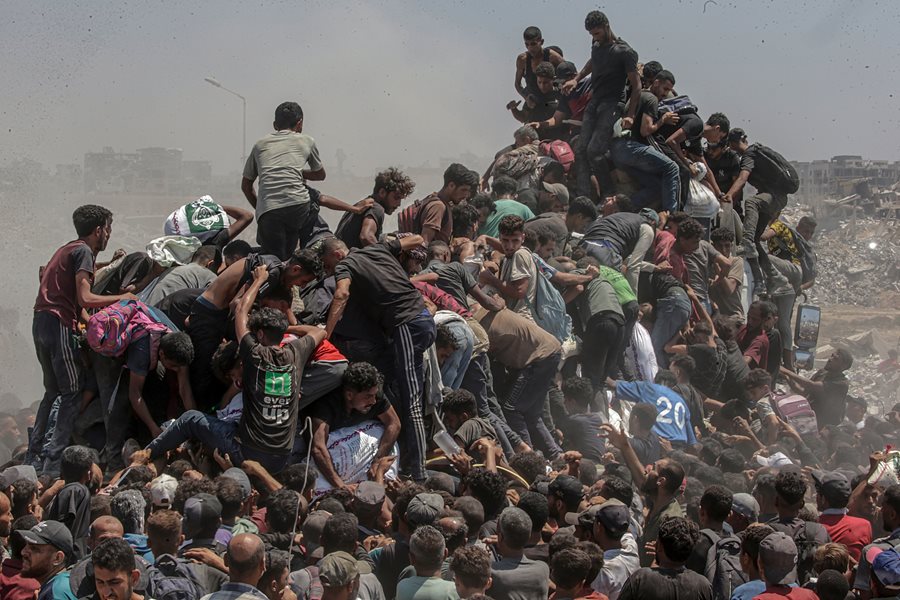
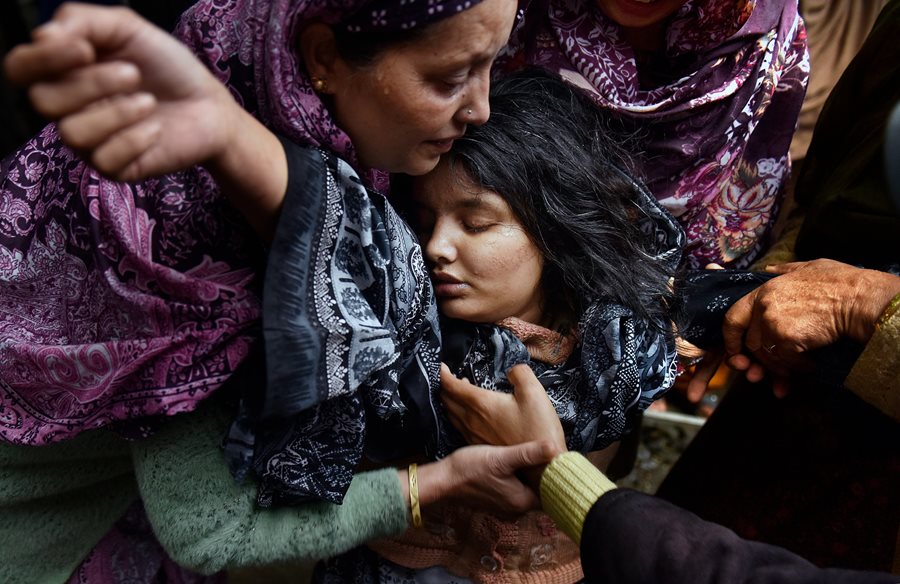
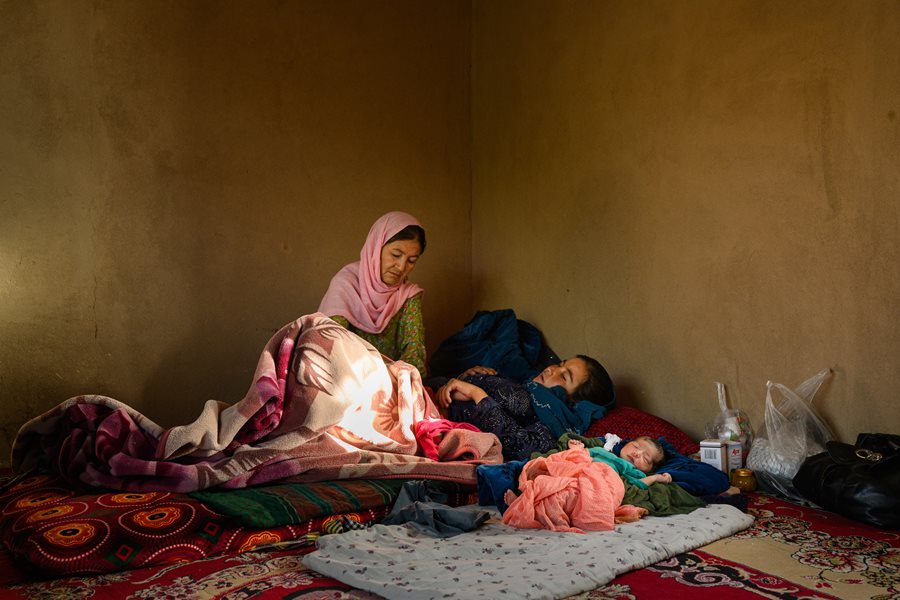
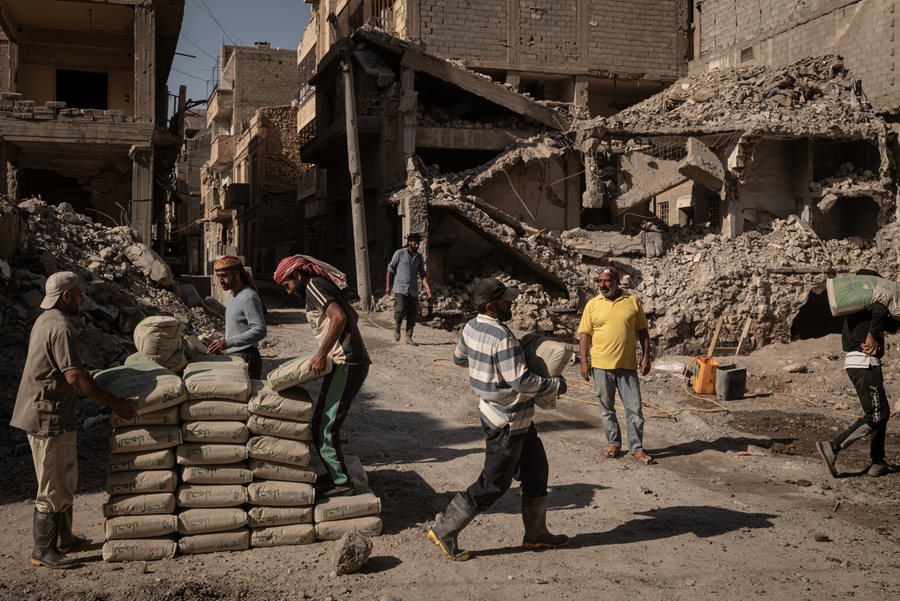
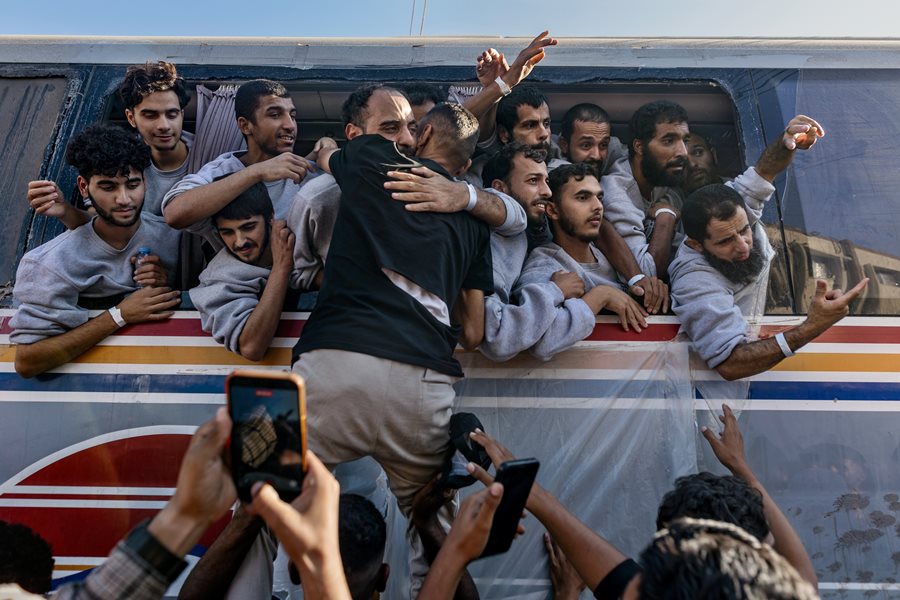
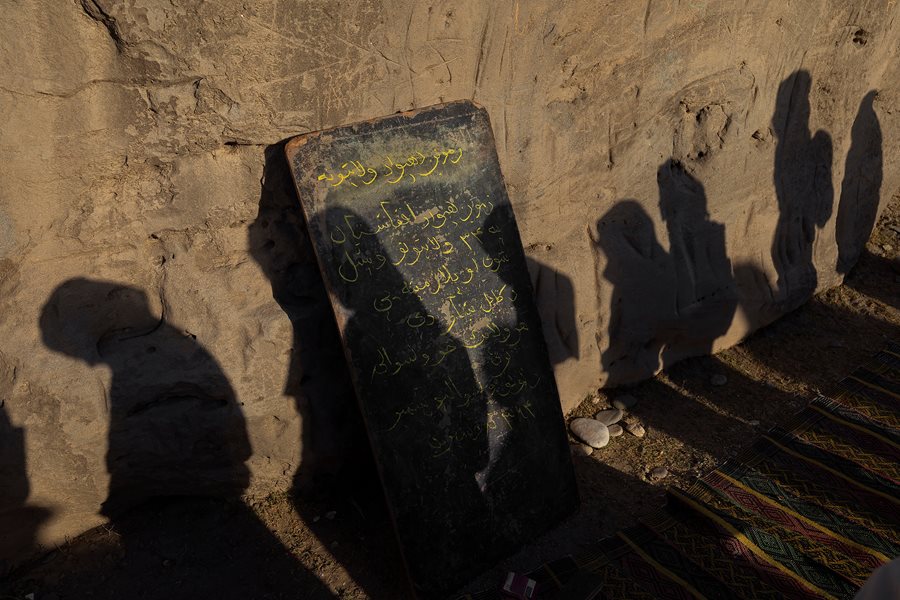
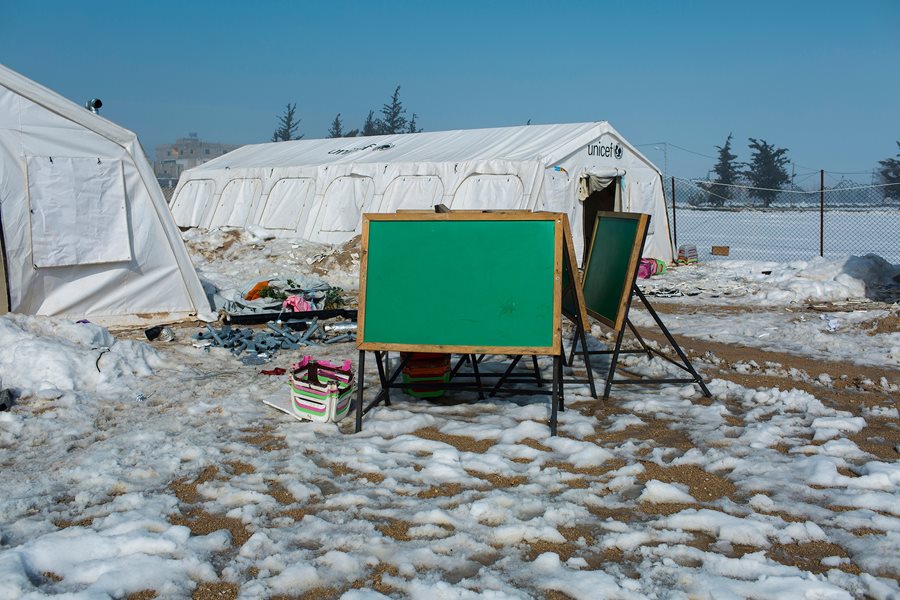
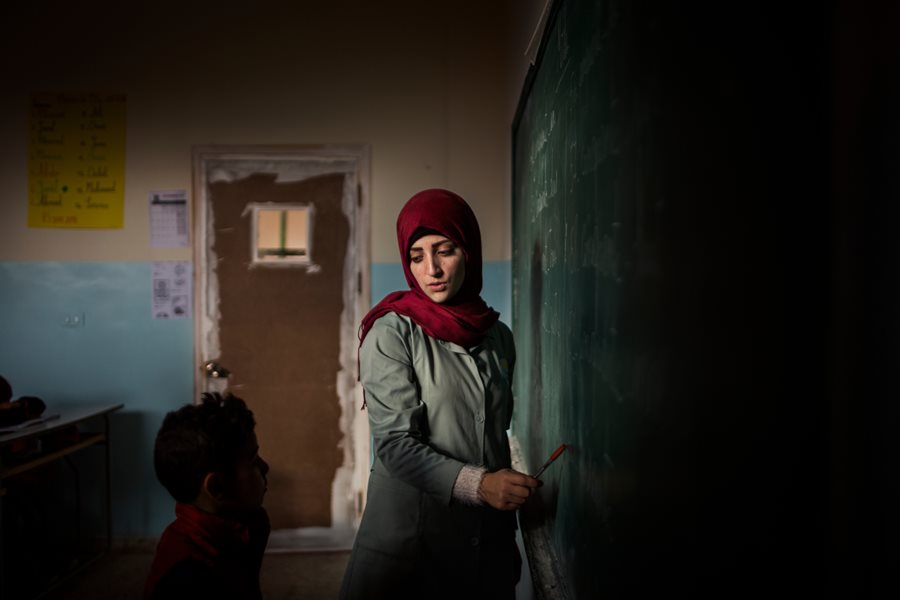
World Press Photo is proud to announce the winners of the 2026 World Press Photo Contest, presenting outstanding work from photojournalists and documentary photographers worldwide, connecting global audiences to the most pressing stories of our time.
Selected from 57,376 photographs submitted by 3,747 photographers across 141 countries, this year’s winners reflect a wide range of perspectives and experiences. Among the awarded works are stories that have shaped headlines, alongside those that have gone largely unseen; spanning conflict and crisis, as well as resilience, resistance, and cultural traditions.
“This is a critical moment — for democracy, for truth, for the question of what we as a society are willing to see and call out and what we are willing to ignore. The photographers recognized here have done their part. They have made the record. Now it is our turn to look.” – Kira Pollack, 2026 Contest global jury chair
The 2026 World Press Photo of the Year winner and two finalists will be announced on 23 April 2026 at 11.00am CEST (Amsterdam time). Every photographer awarded in the 2026 Contest is eligible to win this award.
Sign up for our newsletter to receive the latest news.Please note: There is no hierarchy of winners in each category. All winners are weighted equally.
2026 Contest winners
Africa
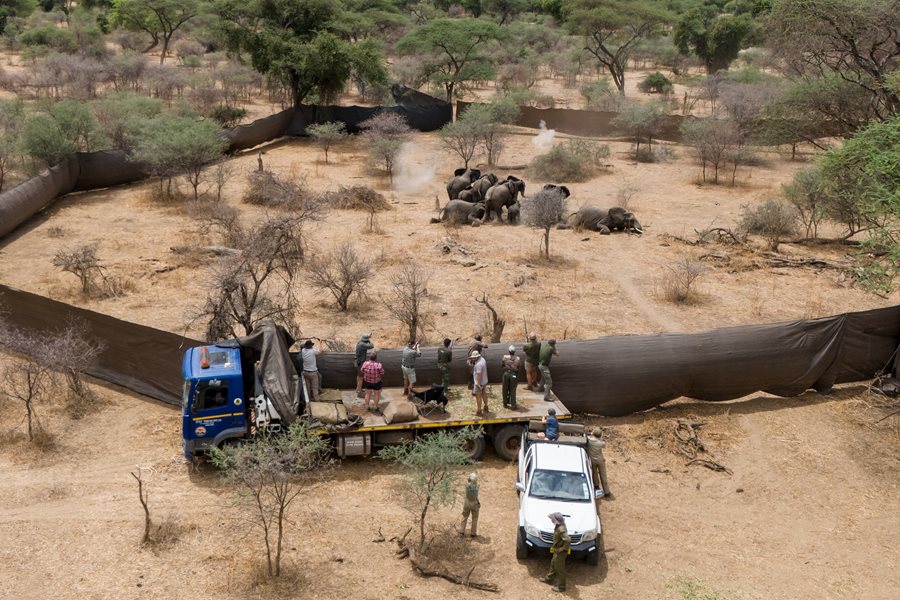
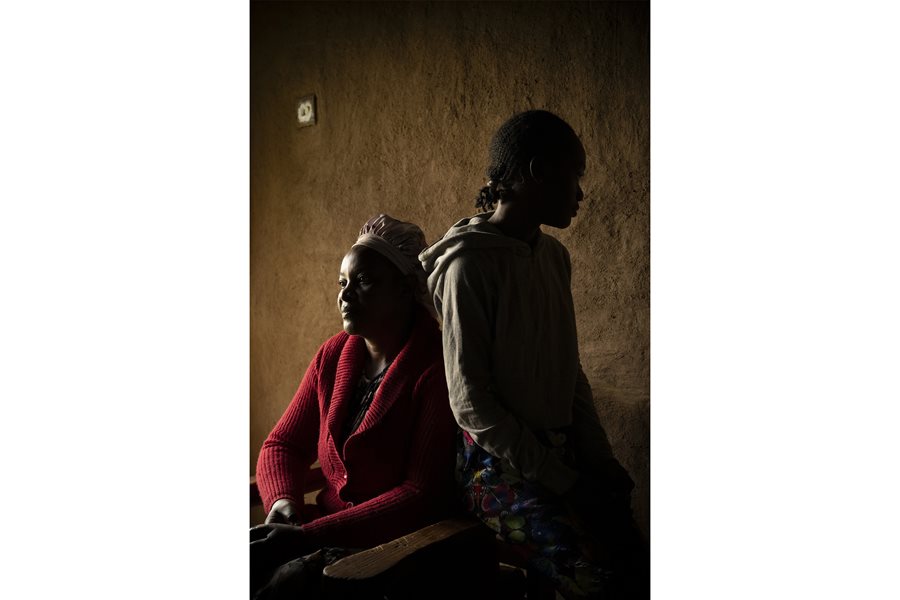
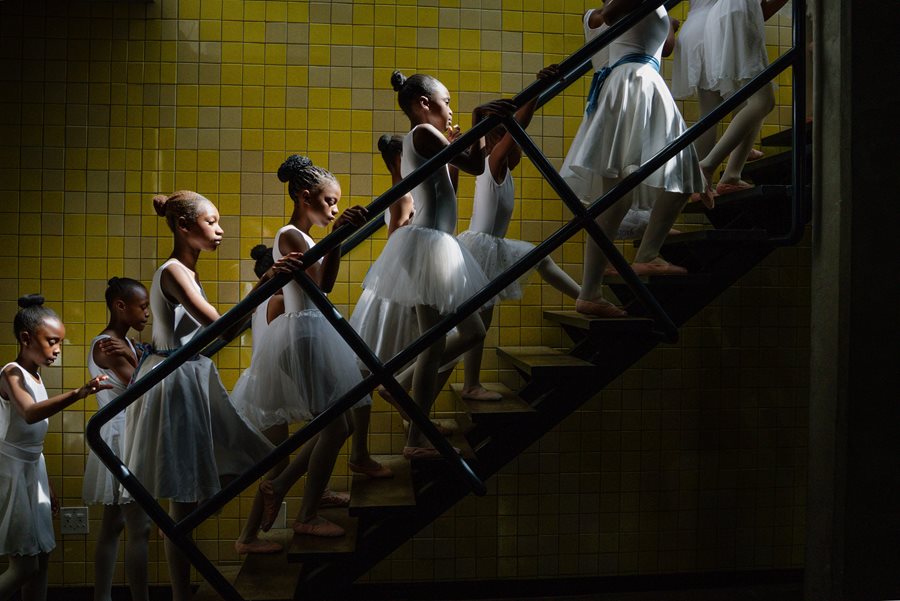
“The main themes from the Africa region reflect a wide spectrum of realities. From the ongoing war in Sudan, to a powerful cultural event in Morocco; from elephant culling in Zimbabwe to the issue of women who have been abused in Kenya, as well as beautiful scenes from daily life in South Africa. All of these together provide an honest portrait of the continent.” – Tsvangirayi Mukwazhi, Africa jury chair
Singles
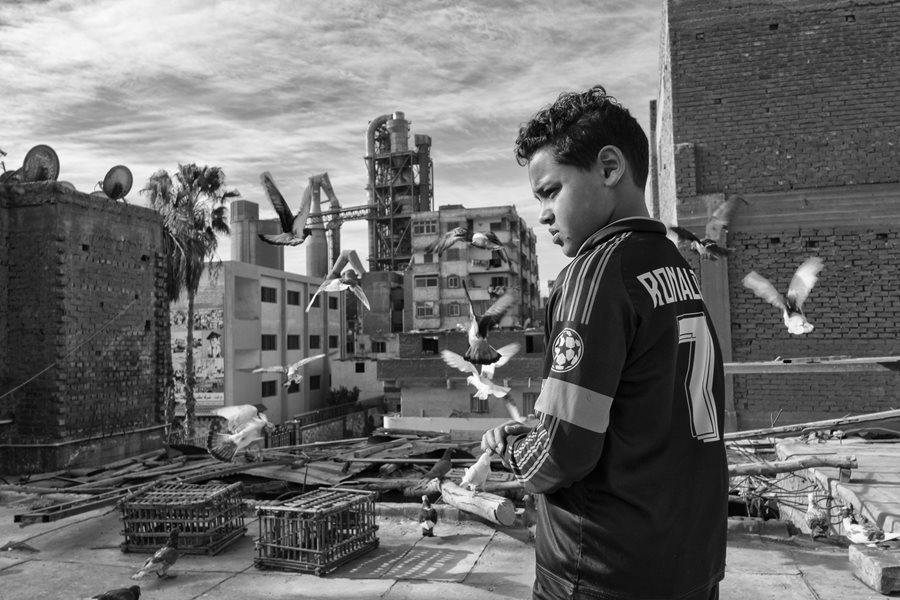
Moon Dust by
Mohamed Mahdy, Arab Documentary Photography Program
Asia-Pacific and Oceania
“For the Asia-Pacific and Oceania region, we had strong news and untold stories – we selected a balanced set of images. We were looking for photographs that showed what happened in 2025, but were also looking for something extraordinary or unexpected.” – Yasuyoshi Chiba, Asia-Pacific and Oceania jury chair
Singles
Europe
“We were looking for stories that were a mirror to Europe. Stories that have the sensitivity to talk about very difficult topics, but also to question us about them. There are very important stories, even in intimate, domestic spaces, that can shed light on how to understand ourselves better.” – Silvia Omedes, Europe jury chair
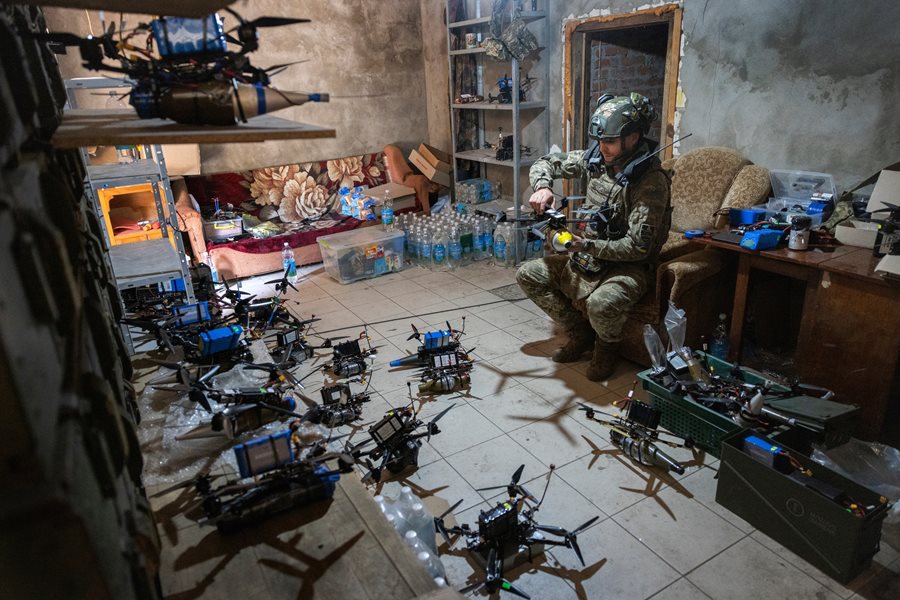
Drone Wars by
David Guttenfelder, The New York Times
Long-Term Project
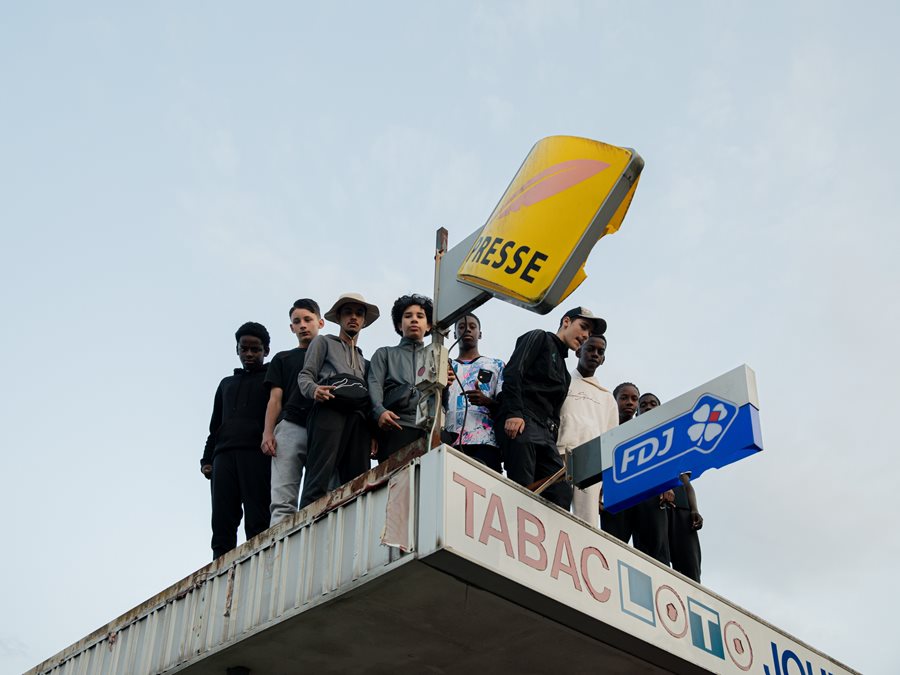
Extramuros by
William Keo, La Bibliothèque Nationale de France, Die Zeit
North And Central America
“We combed through thousands of images and focused on what best represented the stories that mattered. Without photojournalism we lose these historical records. We lose the power to hold people accountable, to see what is happening around us and how the world is existing. Without photojournalism we are isolated from the truth and from facts.” – Marie Monteleone, North and Central America jury chair
Singles
South America
“Photography can serve the purpose of opening doors to new realities. It is a powerful tool that everyone has access to. The topics that remain important to this region are related to the political situation, but it’s not only about violence; there is also resistance and resilience.” – Gael Almeida, South America jury chair
Singles
West, Central, and South Asia
“We were looking for distinctive voices and diversity of voices. Images that either made you stop and reflect or images that stood as testament to what's happening to the rest of the world; because that's the power of journalism.” – Gabrielle Fonseca Johnson, West, Central, and South Asia jury chair
Singles
World Press Photo of the Year announced on 23 April
On 23 April 2026 at 11.00am CEST (Amsterdam time), the World Press Photo of the Year winner and two finalists, will be announced at the press opening of the
Flagship World Press Photo Exhibition 2026 at De Nieuwe Kerk in Amsterdam, the Netherlands, and online simultaneously. Every winning photographer from the 2026 Contest is eligible for the Photo of the Year award.
The awarded stories will be shown to millions worldwide as part of World Press Photo’s annual
traveling exhibition in over 60 locations around the world – including, Berlin, Jakarta, Mexico City, Montréal, Rio de Janeiro, Rome, Sydney, and Taipei.
Reflections from World Press Photo executive director, Joumana El Zein Khoury
In an increasingly volatile world, the role of a free and independent press has never been more vital, or more under threat. As conflict, misinformation, and political pressure reshape the media landscape, fundamental questions emerge about truth, trust, and the future of journalism. In this reflection, our executive director, Joumana El Zein Khoury explores the evolving role of the press, the enduring relevance of photojournalism, and how World Press Photo continues to uphold its commitment to accuracy, integrity, and transparency in uncertain times, while also reflecting on this year’s awarded stories and the responsibility they carry as a record of our time.
“The selection is made by an independent jury through a process of rigorous and conscientious review. Their debates are thoughtful, nuanced, and at times difficult. Reasonable people can disagree. And yet, what stands out most is the level of intent behind each decision. Jury members are determined to uphold technical excellence without compromise. They are committed to representing people and communities with dignity and humanity, and to intentionally embracing a diversity of visual styles and voices across regions. They also work at balancing heavy stories with hopeful and resilient ones. And above all, they strive to recognize the local, regional, and international importance of each story.”